Do you dream of sport shooting, collecting weapons, or maybe you need it for personal protection? In each of these cases, the first step is to obtain a gun permit. This process, although it may seem complicated, is not at all. In this article, we will guide you step by step through all stages - from collecting documents, through the gun exam, to finally obtaining the coveted gun permit.
Remember that gun ownership in Poland is regulated by law, and knowing them is essential. So let's get started!
Who can apply for a gun permit?
Not everyone can get a gun permit. Polish law specifies specific conditions that a person applying for it must meet. The most important include:
- Adulthood: You must be 21 years old. In exceptional cases, with the consent of the court, a permit may be issued to a person who has reached the age of 18.
- No psychological and psychiatric contraindications: It is necessary to undergo medical and psychological examinations, which will confirm that you are able to use the weapon safely and responsibly.
- No criminal record: You cannot be convicted by a final court judgment for an intentional crime.
- Place of residence in Poland: You must have a permanent place of residence in the territory of the Republic of Poland.
- No addictions: You cannot be addicted to alcohol, drugs or other psychoactive substances.
- Membership in a shooting club (in the case of a sports permit): It is required to have the status of a member of an association of a shooting nature and documented participation in competitions.
Meeting these basic conditions is just the beginning. The next step is to determine the purpose for which you want to own a weapon, because the type of permit required depends on it.
Types of gun permits
In Poland, there are several types of gun permits, depending on the purpose for which it is to be used:
- Permit for personal protection purposes: The most difficult to obtain. Requires proof of a real and above-average threat to life or health.
- Permit for the protection of people and property: Issued to individuals and companies engaged in protection.
- Hunting permit: Required for hunters after passing the hunting exam.
- Permit for sports purposes: The most popular among people who want to practice shooting. Requires membership in a shooting club and regular participation in competitions.
- Permit for collecting purposes: For people who want to own weapons for historical or collecting reasons.
- Permit for commemorative purposes: Issued to people who want to own a weapon as a souvenir (e.g. after serving in the army).
- Permit for training purposes: Issued to shooting instructors and people conducting training in the use of weapons.
Choosing the right type of permit is crucial, because the scope of rights and obligations of the gun owner depends on it. The most frequently chosen is a permit for sports or collecting purposes, due to relatively easier procedures.
What documents are needed?
The process of applying for a gun permit requires collecting a number of documents. Their completeness and correctness significantly affect the time of processing the application. Standardly you will need:
- Application for a gun permit (available on the website of the competent Voivodeship Police Commander).
- Copy of identity card.
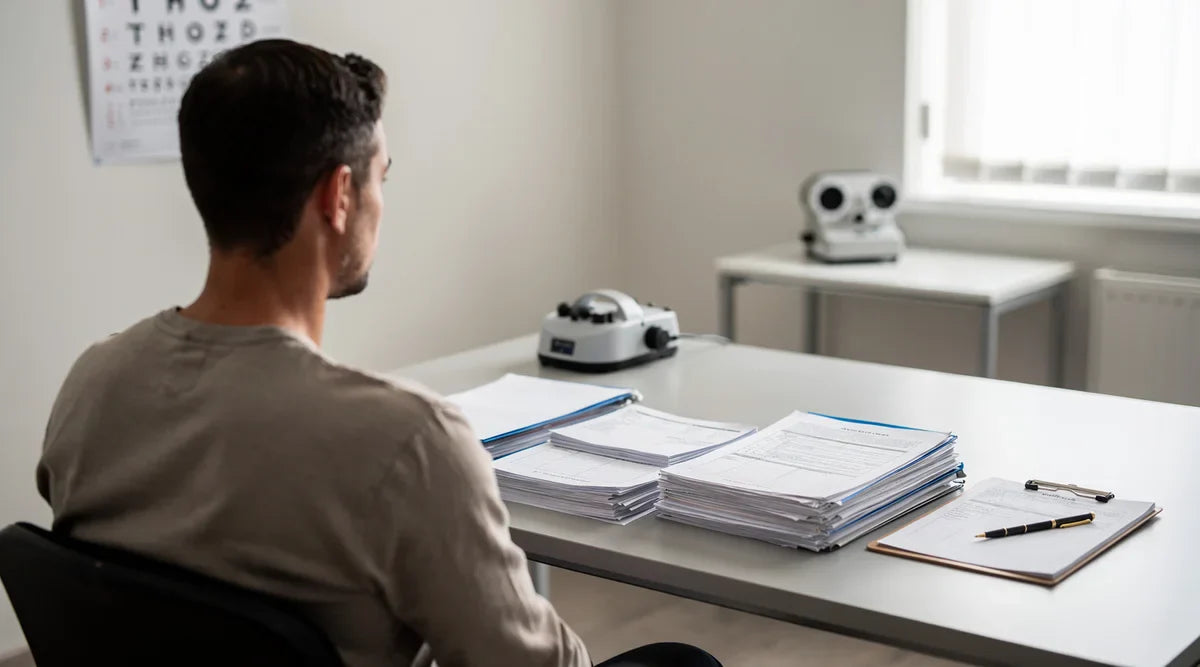
- Medical and psychological certificate, issued by an authorized doctor and psychologist.
- Certificate of membership in a shooting club (in the case of a sports permit).
- Confirmation of payment of stamp duty.
- Declaration of no criminal record.
- Other documents confirming the purpose of owning a weapon (e.g. certificate of passing the hunting exam, documents confirming the existence of a threat to life or health).
You will find the exact list of required documents and application forms on the websites of the Voivodeship Police Headquarters. It is also worth contacting the Police Administrative Proceedings Department in your voivodeship to make sure that you have collected all the necessary documents.
Gun exam - what you need to know?
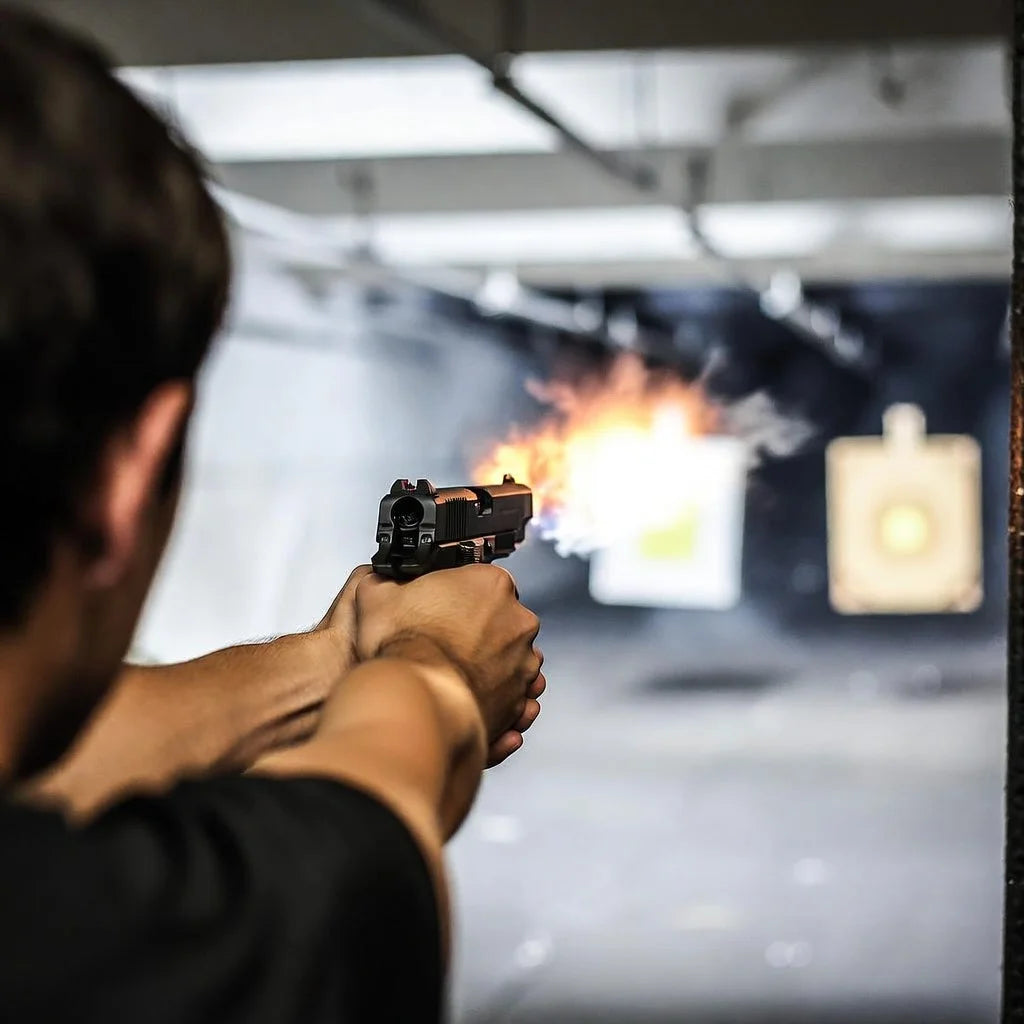
The gun exam is a key element of the permit obtaining process. It consists of two parts: theoretical and practical. The theoretical part covers knowledge of the regulations regarding the possession and use of weapons, as well as safety rules. The practical part checks the ability to safely handle weapons, including loading, unloading, aiming and shooting.
Theoretical part
The scope of knowledge required for the theoretical exam is wide. It includes, among others:
- Act on weapons and ammunition.
- Criminal Code in the scope of crimes related to weapons.
- Regulations regarding the storage and transport of weapons.
- Rules for the safe use of weapons.
- Construction and operation of various types of weapons.
It is worth preparing for the theoretical exam using textbooks, tests and training courses. There are many educational materials available that will help you systematize your knowledge and prepare for exam questions.
Practical part
The practical part of the gun exam checks the ability to safely handle weapons. It includes, among others:
- Checking the technical condition of the weapon.
- Loading and unloading weapons.
- Taking shooting positions.
- Aiming and shooting at the target.
- Removing any jams.
It is worth preparing for the practical exam by participating in shooting training under the supervision of an experienced instructor. Exercises at the shooting range will allow you to master the shooting technique and gain confidence.
What after passing the exam?
Congratulations! You passed the gun exam. What's next? Now you have to wait for an administrative decision regarding the issuance of a gun permit. If the decision is positive, you will receive a document entitling you to purchase and possess a weapon. Remember that along with the gun permit, you also acquire a number of obligations, such as:
- Storing weapons in a way that prevents access to unauthorized persons (e.g. in a safe).
- Adhering to safety rules when using weapons.
- Reporting any changes regarding the place of storage of weapons.
- Submitting to Police inspections regarding the method of storing weapons.
Where to buy weapons and ammunition?
After obtaining a gun permit, you can make a purchase at a licensed gun store. When choosing a weapon, it is worth consulting an experienced seller or shooting instructor who will help you choose the right model for your needs and skills. Remember that the purchase of ammunition also requires showing a gun permit.
It is also worth thinking about proper weapon security. Organizing a gun safe is key to safety and comfort.
Summary
Obtaining a gun permit in Poland is a process that requires meeting specific conditions and going through a number of formalities. However, thanks to proper preparation and knowledge of the regulations, you can successfully obtain the coveted permit and enjoy sport shooting, collecting weapons or personal protection in a legal and safe manner.
Frequently Asked Questions
How much does a gun permit cost?
The cost of a gun permit depends on the purpose for which it is to be used. The stamp duty for issuing a permit is PLN 242. In addition, you must add the costs of medical and psychological examinations (approx. PLN 500-1000), the exam (approx. PLN 500) and any training courses.
How long does the procedure for obtaining a gun permit take?
The waiting time for issuing a gun permit depends on the workload of the Police Administrative Proceedings Department in a given voivodeship. It usually takes from a few weeks to several months.
Can I appeal against an unfavorable decision?
Yes, an unfavorable decision may be appealed to the Chief of Police within 14 days from the date of delivery of the decision.
What are the penalties for illegal possession of weapons?
Illegal possession of weapons is a crime punishable by imprisonment from 6 months to 8 years.
Can I carry a weapon in public?
Basically, no. Carrying a weapon in public is only permitted in exceptional cases specified in the Act on Weapons and Ammunition, e.g. during transport to the shooting range or for personal protection (after obtaining an appropriate permit).
Do I have to store the weapon somewhere?
Yes, the weapon must be stored in a way that prevents access to unauthorized persons, preferably in a gun safe.
What is the EFP (European Firearms Pass)?
The European Firearms Pass (EFP) is a document entitling to the legal transport of weapons across the borders of the European Union member states. In Poland, it is issued by the Voivodeship Police Commander.