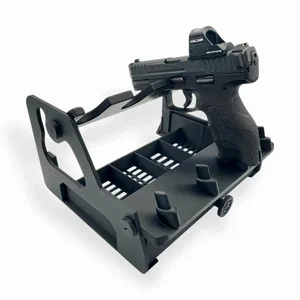
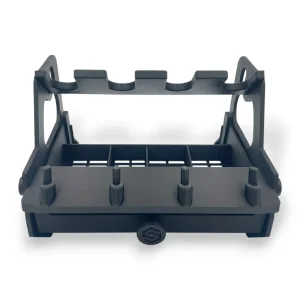
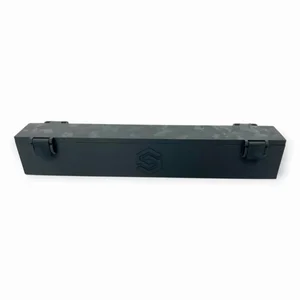
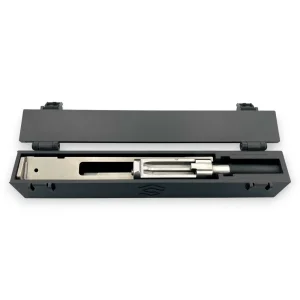
Exposure in shooting – what does it actually mean? Simply put, it's the way we present something. It could be a gun in a safe, accessories on the wall, or even the moment you aim at a target. It's about how something is visible and accessible.
Exposure – what's behind this concept in the world of shooting?
In shooting, the term "exposure" has several meanings, depending on the context. We can talk about the exposure of weapons, accessories, and also the exposure of a target. Each of these aspects affects safety, organization, and the effectiveness of shooting training.
In the context of weapons and accessories, exposure refers to how they are stored and presented. The goal is to ensure the equipment is safe, easily accessible, and well-organized. Proper exposure facilitates quick access to necessary items, which is crucial in dynamic situations, and minimizes the risk of accidents.
Target exposure, on the other hand, is the way we reveal the target during training. This could involve gradually revealing the target, dynamically appearing targets, or changing distances. Proper target exposure allows for training various shooting skills and prepares the shooter for diverse scenarios.
Exposure of weapons and accessories – how to do it well?
Safe and effective storage of weapons and accessories is essential. Here are some tips on how to do it well:
- Gun safes: A solid safe is fundamental, preferably certified. Store weapons unloaded and secured.
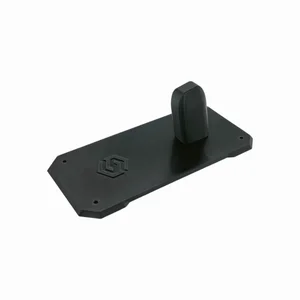
- Holders and hangers: Rifle holders and pistol holders allow for clear exposure in the safe, saving space and facilitating access.
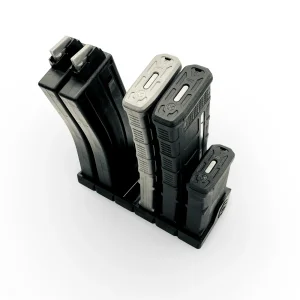
- Magazine holders: Facilitate organization and quick access to ammunition.
- Ammunition containers: Ammunition should be stored in secure, labeled containers.
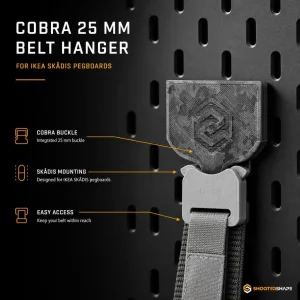
- Modular systems: Systems like IKEA Skådis allow for flexible adaptation of the space to the shooter's needs.
Remember that weapon exposure is not just a matter of aesthetics, but primarily of safety. Access to weapons should be limited to authorized persons only, and equipment should be secured against access by unauthorized persons, especially children.
Target exposure – how does it affect training?
The way a target is presented has a huge impact on the effectiveness of shooting training. Here are some examples:
- Static targets: Ideal for training precision and focus.
- Dynamic targets: Moving targets simulate real-life situations and teach quick reaction.
- Partially obscured targets: Require the shooter to quickly recognize and make decisions.
- Variable distances: Training at different distances develops versatility and adaptability.
Target exposure should be tailored to the shooter's level of advancement and training goals. Beginners should start with static targets at short distances, gradually increasing the level of difficulty. Advanced shooters can train on dynamic targets, changing distances, and in difficult lighting conditions.
Accessories that facilitate exposure
There are many accessories that facilitate the exposure of weapons and accessories, and improve the comfort and safety of shooting training:
- Display stands: Stands for handguns and long guns allow for elegant and safe presentation of equipment.
- Magnetic holders: Magnetic holders are a quick and convenient way to store weapons in a safe or vault.
- Ammunition organizers: Facilitate the segregation and access to ammunition of different calibers.
- Pegboards: Modular systems allow for individual adaptation of the space to the shooter's needs.
The choice of appropriate accessories depends on individual preferences and needs. It is important that the accessories are solid, safe, and functional.
Safety first – what to remember?
Weapon exposure always involves responsibility and adherence to safety rules. Remember about:
- Storing weapons in an unloaded state: Always make sure the weapon is unloaded before placing it in a safe or on a stand.
- Securing against access by unauthorized persons: Store the safe keys in a safe place, inaccessible to children and unauthorized persons.
- Regular inspection of the technical condition of the weapon: Check that the weapon is clean and functional.
- Using appropriate safeguards: Cable locks, trigger locks are additional safeguards.
Adhering to safety rules is the foundation of responsible shooting. Remember that a weapon is not a toy, and its improper storage and use can lead to tragedy.
Summary – exposure matters!
Exposure in shooting is a multidimensional concept that includes both how weapons and accessories are stored and presented, and how a target is revealed during training. Proper exposure affects safety, organization, training effectiveness, and the comfort of using equipment. Remember to adhere to safety rules and choose appropriate accessories to enjoy shooting to the fullest!
Frequently Asked Questions
What are the most important rules for safe weapon storage?
Weapons should be stored unloaded, in a safe or vault, secured against access by unauthorized persons, especially children. Safe keys should be stored in a safe place.
What accessories facilitate organization in a gun safe?
Holders for handguns and long guns, magazine holders, ammunition containers, modular systems (e.g., IKEA Skådis) are accessories that help maintain order and quick access to necessary items.
How to adjust target exposure to the shooter's level of advancement?
Beginners should start with static targets at short distances, gradually increasing the level of difficulty. Advanced shooters can train on dynamic targets, changing distances, and in difficult lighting conditions.
Are magnetic holders safe for storing weapons?
Yes, provided they are securely mounted and made of high-quality materials. Their technical condition should be checked regularly.
Where is the best place to store ammunition at home?
Ammunition should be stored in a dry and cool place, in secure, labeled containers, separately from weapons.
Is it worth investing in expensive gun safes?
Investing in a good gun safe is an investment in safety. Choose a certified safe that meets your requirements and needs.
How often should a weapon stored in a safe be cleaned?
Weapons should be cleaned regularly, even if they are not used. The frequency of cleaning depends on the storage conditions and the materials from which the weapon is made. At least once every few months, it is worth performing an inspection and maintenance. Check out our offer of weapon cleaning and maintenance accessories.