
Shooting accessories store
Proudly made in Poland
Holders, mounts and accessories for organizing shooting gear
Holders, mounts and accessories for organizing shooting gear
Keep exploring
Move to another part of the range and find accessories for your next use case.
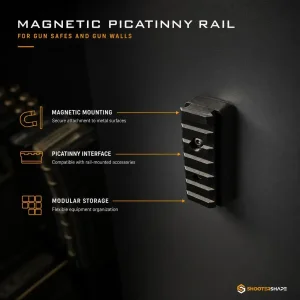
A well-planned gun safe interior keeps firearms, magazines, hearing protection, belts and maintenance equipment clearly separated. Rather than stacking everything on one shelf, the available space can be divided into practical zones for training preparation, transport packing and returning equipment after use. This collection covers several approaches to organization, including magnetic holders, supports and racks, hangers, protective cases for components and modules based on Picatinny rails. These solutions can make use of safe walls, doors and shelves without locking the layout to one equipment set. A modular arrangement is also easier to revise when accessories change or a different training routine calls for a new setup. Planning the safe interior Check equipment dimensions, available mounting area and the clearance required around each item. Match the mounting method to the surface material and the expected load. Separate firearms, ammunition, components and personal equipment into distinct, clearly identified zones. Useful selection criteria include storage orientation, protection against scuffs and unobstructed visibility for routine inventory checks. A considered layout reduces equipment-to-equipment contact and makes pre-range preparation more consistent. Every organizer should be used in line with the safe manufacturer's instructions and appropriate storage practices.
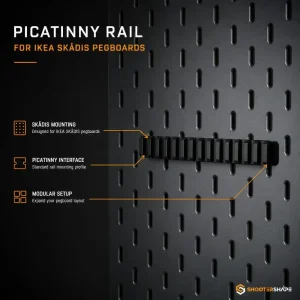
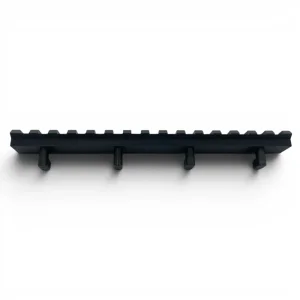
Wall systems and pegboards move equipment off worktops and out of drawers onto an orderly, visible surface. They suit a home preparation area, workshop, club equipment room or a dedicated organization zone. A layout can accommodate shooting accessories, tools, hearing protection, belts and small components while keeping each group distinct. The collection includes holders, hooks, organizers and adapters for perforated panels, including IKEA Skådis-compatible solutions, as well as modules that use the Picatinny standard. Their modular nature makes it possible to expand or rearrange a setup without rebuilding the entire workspace. Frequently used equipment can occupy the clearest working area, while occasional items remain grouped elsewhere. What should the layout account for? Identify the panel type, mounting pattern and usable surface area. Compare holder capacity with the weight and geometry of the stored item. Leave enough clearance to place and remove equipment without collisions. An effective arrangement balances visibility, ergonomics and stable support. Leaving room for future modules and checking attachment points periodically will help the system remain useful as requirements evolve. Where firearms or ammunition are being organized, a wall panel should be treated as an organizational component within an appropriately secured area, not as a substitute for suitable storage.
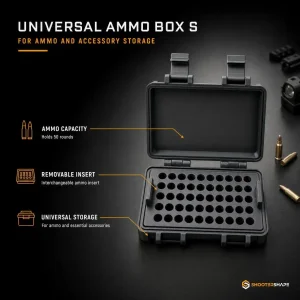
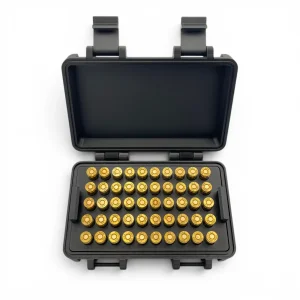
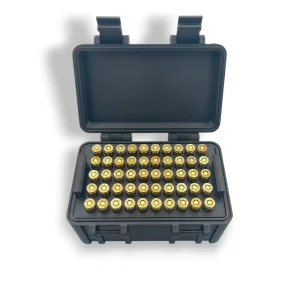
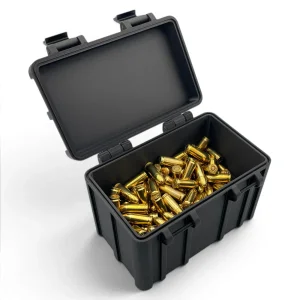
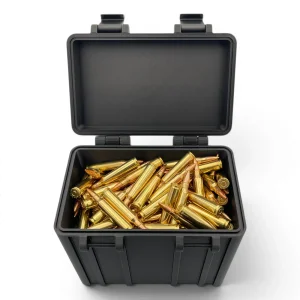
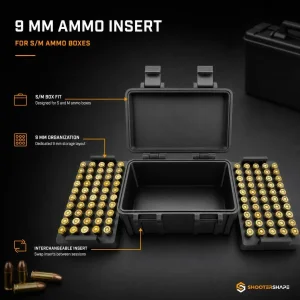
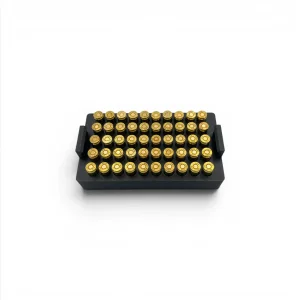
Considered ammunition and accessory storage supports inventory checks, training preparation and orderly unpacking after a range session. Separate boxes and organizers reduce the chance of mixing calibers, batches, service parts and consumable items that are easy to overlook when they have no assigned place. This collection covers solutions for varied tasks: cartridge boxes and inserts, 12GA shell holders, component cases, and containers for tools, batteries, springs or target materials. Formats can be matched to a gun safe, transport bag, workshop or club equipment room. Modular inserts help preserve clear divisions even as the equipment set changes. Choosing an organization method Separate contents by type, caliber, purpose and current service status. Check internal dimensions, closure design and suitability for transport conditions. Use unambiguous labels that make contents identifiable without opening several containers. Look for stable positioning and clear inventory visibility without overloading the container. Live ammunition, training dummies and components should occupy unmistakably separate zones. Organizers assist with preparation and housekeeping, but they should always be used according to the stored material manufacturer's guidance and appropriate safety practices.
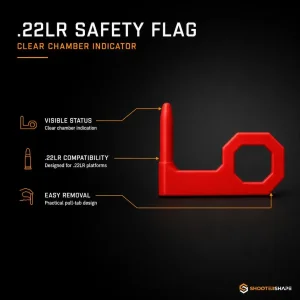
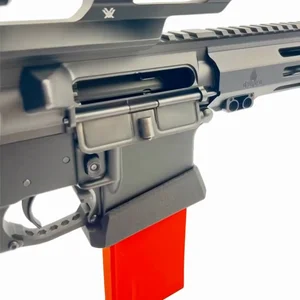
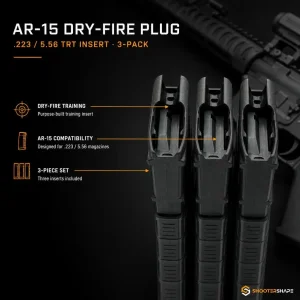
Well-organized shooting practice begins before the first shot is fired. This collection brings together accessories that support clear safety routines, shooting-bay preparation and deliberate work without live ammunition. It covers solutions for individual shooters, instructors and group-session leaders, from communicating equipment status to keeping small training items under control. Equipment matched to the training scenario Depending on the objective, the right setup may include safety flags, dry-fire inserts and snap caps, magazine-handling aids, instructor signalling equipment or target accessories. Check the calibre, firearm platform, dimensions and interface with the equipment already in use. Visibility, material durability and the ability to confirm an accessory’s position also matter. clear indication of firearm and equipment status, repeatable organization of dry-fire drills, a tidier bay and more efficient session preparation, better communication during supervised group practice. Training accessories do not replace safe-handling rules or a physical firearm check. They should be used in a planned environment, after live ammunition has been removed from the dry-fire area and in line with procedures established at the facility. Thoughtful selection supports consistent habits, practical ergonomics and easy recognition of equipment status.
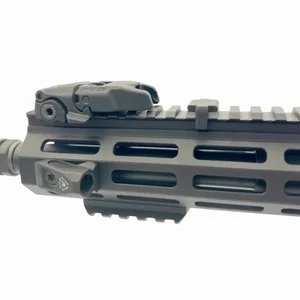
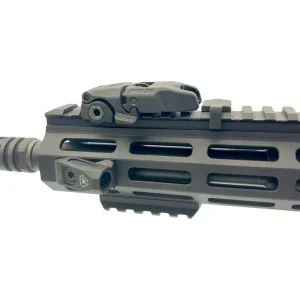
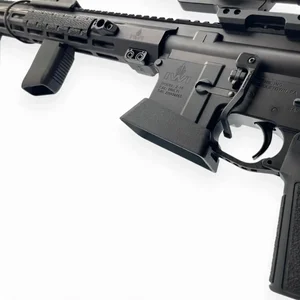
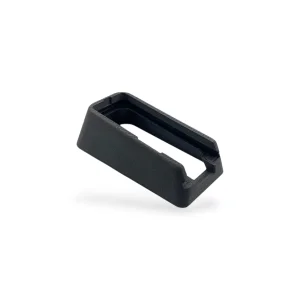
Rifle and carbine accessories can make a setup easier to organize, improve ergonomics and support equipment preparation for training, transport and storage. This collection covers solutions for magazines and magazine wells, foregrips, mounting systems, training-conversion components, and the orderly storage of firearms and parts. Matching accessories to the platform Accurate identification of the relevant standard is the best starting point. On an AR-15 platform, dimensions of the specific assembly, magazine generation and clearance around the controls can all matter. For mounted accessories, distinguish Picatinny from M-LOK, check the available slots, mounting orientation and possible interference with existing equipment. With maintenance and training accessories, confirm the relevant platform variant and the intended role of each component. grip and handling ergonomics for planned drills, compatibility of interfaces, dimensions and mounting points, organized parts during storage and maintenance, material, weight and durability suited to the application. A useful accessory should address a defined need without obstructing status checks or the primary controls. Before use, inspect mounting stability, normal mechanism operation and the ability to maintain safe directions. Regular checks of interfaces and fasteners help preserve a predictable configuration from one session to the next.
Optics accessories help protect, fit and organize optical equipment used during transport, storage, training and field use. The category includes solutions for LPVO scopes, hunting and precision scopes, red dot sights, magnifiers and other sighting devices. This area includes covers and caps, mounting components, adapters and organizational solutions selected for the specific construction of the optic. Their purpose is to reduce the risk of dirt, scratches and accidental impacts while preserving convenient access to adjustments and controls. How to choose an optics accessory Start with exact equipment identification: manufacturer, full model name, generation and the mount used. A parameter stated in the scope name, such as the tube or objective diameter, does not always correspond to the external dimension at the accessory mounting point. confirm the type of optic and its intended use, check the external dimensions and available mounting points, determine the required scope of protection or accessory function, make sure the component does not interfere with levers, turrets, the mount or battery caps. For model-specific solutions, verify the correct device profile. If no ready-made profile is available, configuration based on your own measurements may be the right choice. Once installed, the accessory should remain stable and must not hinder adjustments or normal operation of the optic.
Pistol accessories support orderly storage, training preparation and practical arrangement of handguns, magazines and related equipment. This category combines solutions for safes and preparation areas with magazine, holster and dry-fire accessories. Their shared purpose is to create a clear equipment system, not to replace safe-handling procedures. Choosing for purpose and compatibility For holders and stands, consider pistol dimensions, the presence of a red-dot sight, the mounting surface and the direction of load. Magazine accessories must match the specific model, generation and calibre, while holster components need to correspond to the stated system and mechanism variant. Dry-fire solutions also require confirmation of their intended use and strict separation of live ammunition from the practice area. defined organization for pistols and magazines, clearance for firearm geometry and mounted optics, ergonomic belt and holster configuration, structured equipment preparation before practice. Every holder should be secured to a suitable surface and inspected periodically. Storage arrangements must restrict unauthorized access and follow the rules established for the location. Before a session, check accessory condition, connection stability and normal mechanism movement, always with unloaded equipment whose status has been physically verified.
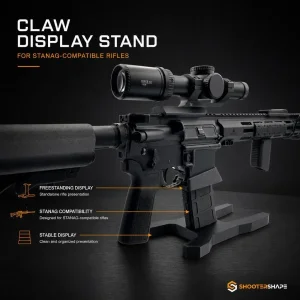
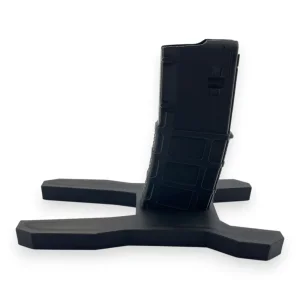
Stands and display solutions for presenting firearms, magazines and shooting equipment. Suitable for use at home, in a shop, club or shooting range, or as an orderly equipment-storage system. The category covers bases, stands, supports and wall-mounted solutions for different presentation needs. A system may serve one item, a larger set, a demonstration station or an organized equipment zone. A modular format lets the layout evolve without tying it to one equipment model. Planning a stable display check the geometry, weight and support points of the displayed item match the base or attachment to the surface and intended use plan clearance, visibility and protection against accidental tipping In areas accessible to customers or training participants, a display should form part of the facility’s wider access-control procedures. A stand organizes and presents equipment but does not replace appropriate security.
Accessories that help maintain order while cleaning, servicing and maintaining firearms. Parts organizers, holders and support tools make work at a service station easier and reduce the risk of losing small components. The category covers solutions that support cleaning, routine care, condition checks and parts organization during work. These may include support tools, bases, trays, containers and holders that preserve disassembly order and reduce the risk of losing small components. Maintenance matched to the task identify the platform, service scope and required interfaces check material compatibility with the cleaners and oils in use prepare separate areas for clean, contaminated and reassembly-ready parts Service accessories do not replace manufacturer documentation or qualified gunsmith work. Before maintenance begins, equipment should be unloaded, checked and prepared according to the appropriate procedure.
Equipment for shooting ranges, shooting clubs and instructors running individual or group training. These accessories help organize equipment, make the shooting bay clearer and sessions easier to manage. The category covers solutions for bay organization, status indication, shared-equipment management and exercises involving larger groups. Organizational modules, signalling elements and instructor aids can form a coherent system matched to the facility’s scale and procedures. A system matched to facility operations account for user numbers, bay layout and the sequence of activities use clear markings and consistent locations for returning equipment match materials and attachments to use frequency and facility conditions Equipment should reinforce procedures already used by the range or club. It does not replace instructor supervision, facility rules or physical checks of firearm and bay status.