Tactical flashlight? Simply put, it's an "upgraded" flashlight. A regular flashlight is simply meant to shine, while a tactical one is designed to support operations in difficult conditions. It should be powerful, durable, and often have additional functions that are useful, for example, at a shooting range or in tactical operations.
Tactical Flashlight – What Does It Actually Mean?
The term "tactical flashlight" refers to a special type of portable lighting designed for the specific requirements of law enforcement, sport shooters, hunters, and those involved in survival and bushcraft. This is not a regular flashlight that you can buy at a hardware store. A tactical flashlight is a tool that must be reliable in extreme situations.
The basic features that distinguish a tactical flashlight are primarily high light output, durable construction resistant to mechanical damage, waterproofness, and special functions such as a strobe mode or the ability to mount it on a weapon. All of this makes a tactical flashlight an invaluable support in situations where quick reaction and precision are essential.
It is worth noting that the term "tactical" in relation to flashlights is not just a marketing ploy. These accessories undergo a series of tests and meet specific standards to ensure reliability and effectiveness in real combat conditions or during intensive use at a shooting range. A properly selected tactical flashlight is an investment in safety and comfort of use.
A Brief History of Tactical Flashlights
The origins of tactical flashlights date back to when special forces and the military began searching for reliable and powerful light sources for night operations and in conditions of limited visibility. The first models were based on incandescent technology and had limited power and short battery life. However, over the years, with the development of LED technology and lithium-ion batteries, tactical flashlights underwent a real revolution.
Modern tactical flashlights are advanced devices that offer not only high light output but also intelligent functions such as brightness adjustment, special modes (e.g., strobe, SOS), and programming capabilities. In addition, manufacturers pay great attention to durability and ergonomics, using materials such as anodized aircraft aluminum and special anti-reflective coatings.
The Use of Tactical Flashlights in Shooting
Tactical flashlights have found wide application in shooting, both sport and tactical. Here are a few examples:
- Target Identification: In low-light conditions, a tactical flashlight enables quick and reliable identification of the target before firing. This is crucial for safety and avoiding mistakes.
- Blinding the Opponent: The strobe mode can be used to disorient and blind the opponent, giving the shooter a tactical advantage.
- Illuminating the Surroundings: A tactical flashlight allows for illuminating the surroundings and identifying potential threats, which is especially important during training and competitions in the field.
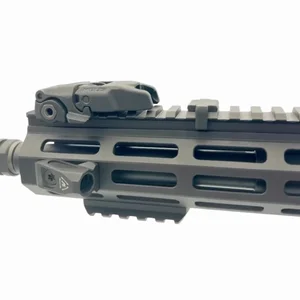
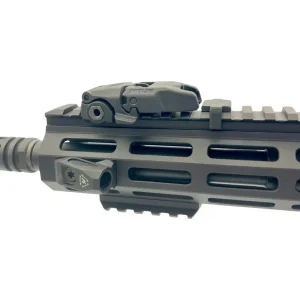
- Weapon Mounting: Many tactical flashlights are equipped with a weapon mounting system (e.g., Picatinny rail), which enables precise illumination of the target while aiming.
What to Look for When Choosing a Tactical Flashlight?
Choosing the right tactical flashlight is a challenge, as there are many models available on the market with different parameters and functions. Here are a few key aspects to consider:
- Light Output (Lumens): The more lumens, the brighter the light. For tactical applications, flashlights with a power of at least 500 lumens are recommended.
- Light Range (Meters): The light range determines how far the flashlight is able to effectively illuminate the target. This is important if you need to illuminate distant objects.
- Durability: A tactical flashlight should be made of durable materials (e.g., anodized aircraft aluminum) and resistant to mechanical damage, shocks, and drops.
- Waterproofness: Waterproofness is crucial if the flashlight is to be used in harsh weather conditions. Check if the flashlight meets the IPX standard (e.g., IPX8 – full waterproofness).
- Power Supply: Tactical flashlights can be powered by disposable batteries (e.g., CR123A) or rechargeable batteries (e.g., 18650). Rechargeable batteries are more economical but require charging.
- Operating Modes: A good tactical flashlight should offer various operating modes, such as normal mode, power-saving mode, strobe mode, and SOS mode.
- Ergonomics: The flashlight should fit well in the hand and be easy to operate, even with gloves. The location of the switch and the ease of changing operating modes are also important.
- Mounting: If you plan to mount the flashlight on a weapon, make sure it has the appropriate mounting system (e.g., Picatinny rail).
Additional Accessories for Tactical Flashlights
To fully exploit the potential of a tactical flashlight, it is worth acquiring some additional accessories:
- Mounting Brackets: Allow mounting the flashlight on a weapon (e.g., AR-15 rifle) or helmet.
- Filters: Filters change the color of the light, e.g., a red filter improves night vision, and a yellow filter reduces glare.
- Diffusers: Diffusers scatter the light, creating a wide beam that is useful for illuminating rooms.
- Remote Switches: Allow turning the flashlight on and off without having to reach for it with your hand.
- Holsters: Holsters allow for convenient and safe carrying of the flashlight on a belt or in a backpack.
Tactical Flashlight and Legal Regulations
It is worth remembering that the use of tactical flashlights may be regulated by legal regulations, especially when it comes to mounting them on weapons. Always check local regulations before using a tactical flashlight in public places or while hunting. In some countries, the use of very high-power flashlights may be restricted due to the potential danger to the eyesight of others.
Summary
A tactical flashlight is an indispensable tool for every shooter, hunter, and person interested in survival. When choosing the right model, it is worth paying attention to light output, durability, waterproofness, operating modes, and ergonomics. Also, remember about additional accessories that can increase the functionality of the flashlight and adapt it to your individual needs.
Frequently Asked Questions
What flashlight power is optimal for shooting at night?
For shooting at night, the optimal power of a tactical flashlight is a minimum of 500 lumens, but it is better to aim for models with a power of 800-1000 lumens to ensure good visibility of the target and surroundings. However, remember to adjust the brightness to the conditions to avoid glare.
Is mounting a tactical flashlight on a weapon legal?
Mounting a tactical flashlight on a weapon is legal, as long as the weapon is legally owned and used in accordance with regulations. However, you should be aware of safety rules and not use the flashlight in a way that could endanger others.
What batteries are best for tactical flashlights?
Lithium-ion 18650 batteries or CR123A batteries are recommended for tactical flashlights. 18650 batteries are more economical but require a charger. CR123A batteries are disposable but have a long lifespan and resistance to low temperatures.
Is a tactical flashlight only suitable for military applications?
No, a tactical flashlight is not intended for military applications only. It can be used by sport shooters, hunters, people involved in survival, as well as for personal purposes, such as self-defense or illuminating the way in the dark.
What should you pay attention to when choosing a tactical flashlight for self-defense?
When choosing a tactical flashlight for self-defense, pay attention to the light output (at least 300 lumens), strobe mode, which can disorient the attacker, and a durable construction that will allow you to use the flashlight as an improvised defensive tool.
Is a tactical flashlight with a strobe function legal?
Possessing a tactical flashlight with a strobe function is legal. Using a strobe in public places may be regulated by regulations, so you should always exercise caution and not use it in a way that could disturb the peace or endanger others.
How to care for a tactical flashlight to make it last as long as possible?
To make a tactical flashlight last as long as possible, regularly clean it of dirt and moisture, lubricate the threads, check the condition of the seals, and store it in a dry place. If you use rechargeable batteries, recharge them regularly and avoid complete discharge.