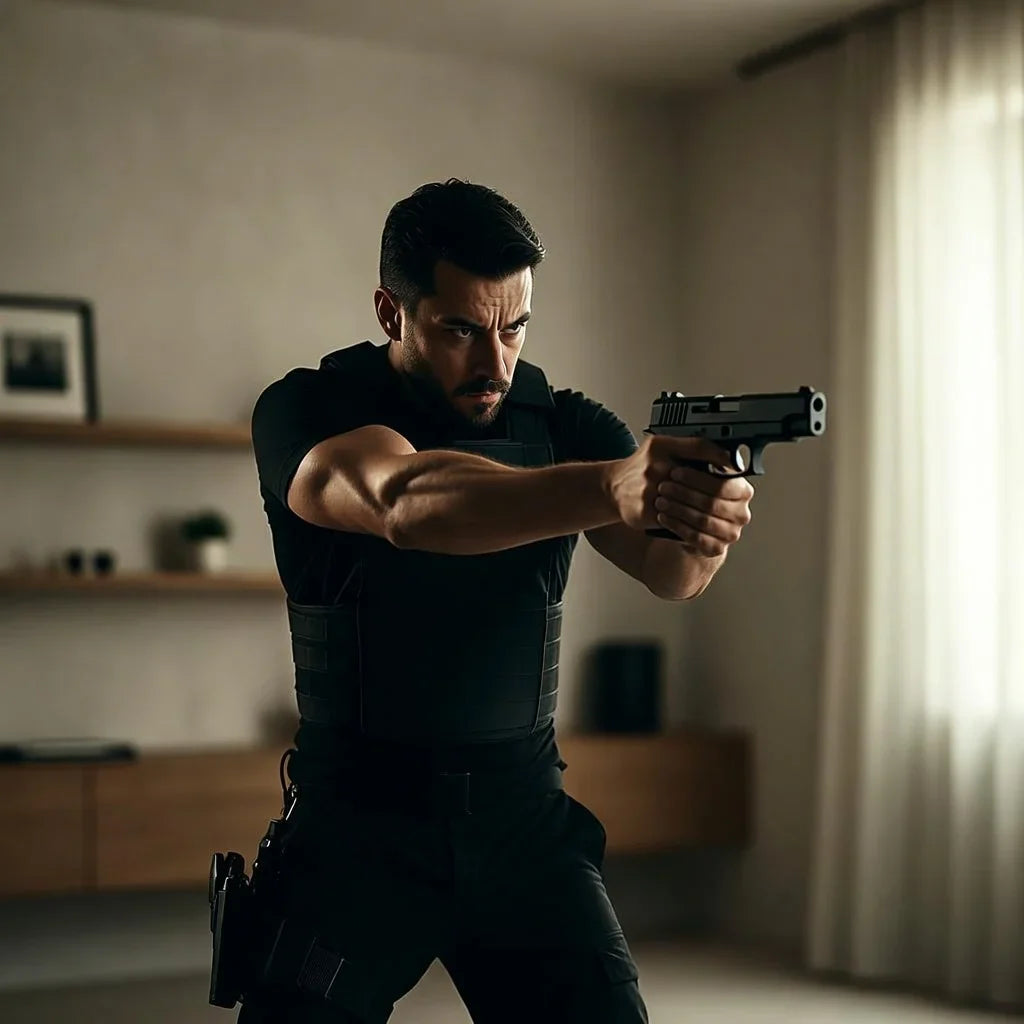
In the world of shooting, where precision and control are paramount, dry fire training is an invaluable tool. It doesn't require expensive ammunition or access to a shooting range, and it allows you to hone key skills in the comfort of your home. Sounds good, right? But where to start?
This article is your guide to the world of dry fire. We will present 7 specific exercises that you can incorporate into your daily routine. Whether you are just starting your shooting adventure or you are an experienced competitor, you will find something for yourself here. However, remember that safety is paramount. Before you start, make sure the gun is unloaded and that there is no ammunition in the room. Ready? Let's begin!
Why is dry fire so important?
Before we get to the specific exercises, it's worth understanding why dry fire is such an effective training method. Regular dry fire exercises allow you to:
- Improve technique: You focus on proper grip, stance, and trigger pull without the stress of recoil.
- Eliminate errors: In controlled conditions, it is easier to identify and correct bad habits.
- Strengthen muscle memory: Repeating movements reinforces them in muscle memory, which translates into faster and more intuitive reactions on the shooting range.
- Save money: You train without the cost of ammunition and range rental.
- Train anywhere, anytime: You can practice at home, at work, or even while traveling.
With dry fire, you can effectively use your time and resources to become a better shooter. Remember, however, that the key to success is regularity and focus on the quality of the exercises performed.
7 Dry Fire Exercises That Will Transform Your Training
Below you will find 7 exercises that you can include in your training plan. Remember to adjust them to your level of advancement and the type of weapon you use.
1. Perfect grip and stance
The foundation of success in shooting is a firm and repeatable grip and a stable stance. Dedicate a few minutes each day to practicing these elements.
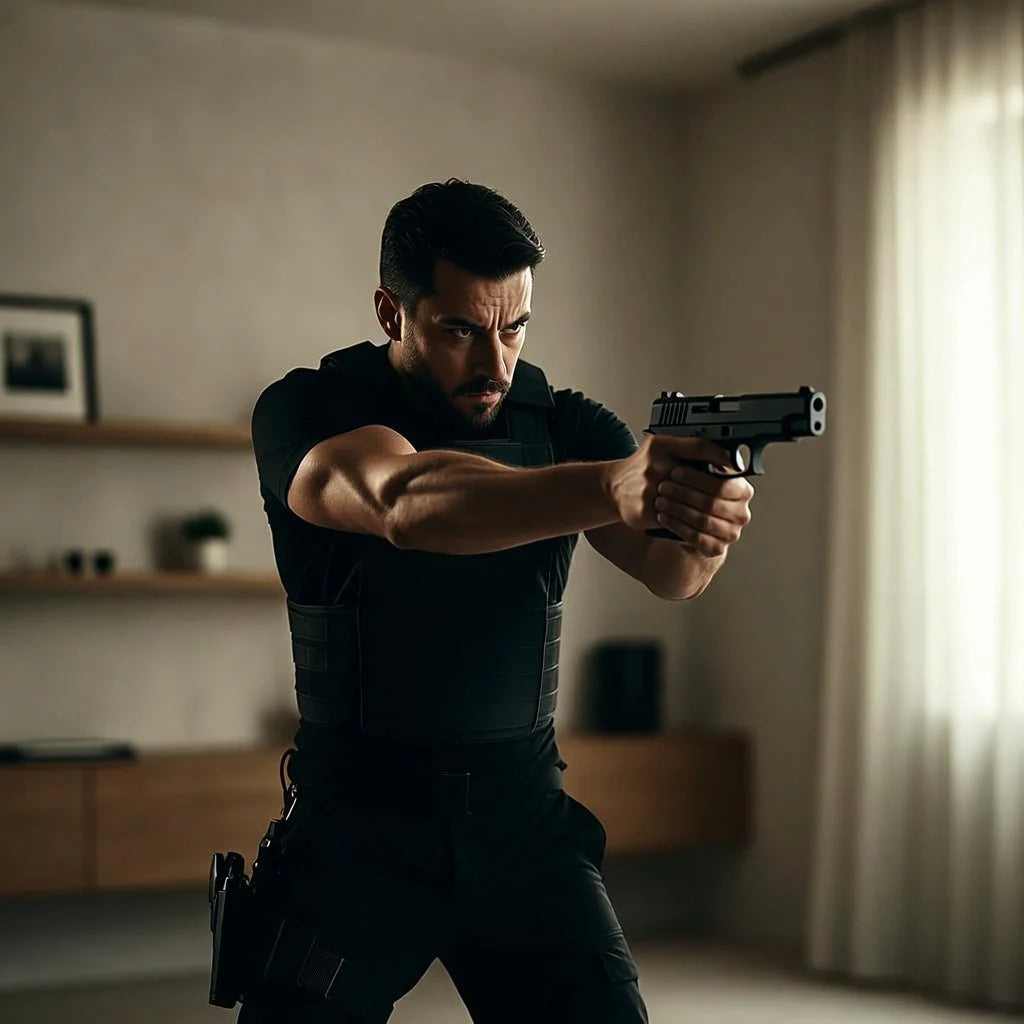
- Grip: Make sure your hand firmly and evenly covers the gun's grip. Check that your index finger rests freely on the trigger and that your thumb does not block the movement of the slide.
- Stance: Stand stably, with your knees slightly bent and your feet shoulder-width apart. Lean forward slightly to balance the recoil.
- Exercise: Perform slow movements, extending the gun forward and keeping the target in your line of sight. Focus on maintaining the correct grip and stance throughout the exercise.
2. Trigger pull: fluidity and control
A smooth and controlled trigger pull is key to an accurate shot. This exercise will help you eliminate jerking and improve precision.
- Setup: Focus on the target. Align the sights on the selected point.
- Pressing: Gently press the trigger, controlling every millimeter of its movement. Imagine that it breaks completely unexpectedly.
- Holding: After the "shot", hold the trigger pressed for a moment to prevent jerking the weapon. Then slowly release the trigger to the reset point.
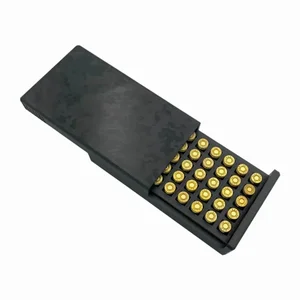
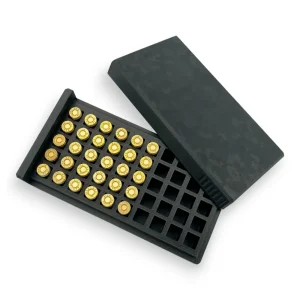
- Repeating: Repeat the exercise, focusing on smoothness and control. You can use snap caps to simulate the presence of a cartridge.
3. Sight alignment
Proper sight alignment is the basis of an accurate shot. This exercise will help you develop the habit of quickly and accurately aligning the front and rear sights.
- Setup: Focus your eyes on the front sight.
- Alignment: Position the front sight centrally in the rear sight, making sure that the distance between it and the edges of the rear sight is equal.
- Holding: Maintain sight alignment throughout the exercise, focusing on stability and precision.
- Exercise: Slowly move the gun in different directions, maintaining sight alignment.
4. Smooth transitions between targets
In dynamic shooting situations, speed and precision count. This exercise will help you develop the ability to smoothly transition between targets.
- Setup: Choose several targets in the room.
- Transitions: Smoothly move the gun between targets, maintaining sight alignment and controlling the trigger.
- Tempo: Start slowly, gradually increasing the tempo, but not at the expense of precision.
5. Analysis and elimination of wobbles
Even minimal gun wobbles can affect the accuracy of the shot. This exercise will help you identify and eliminate sources of wobbles.
- Setup: Focus on the target.
- Observation: Observe the movement of the front and rear sights. Pay attention to the sources of wobbles (e.g., shaking hands, incorrect posture).
- Elimination: Focus on eliminating wobbles by improving grip, posture, and breath control.
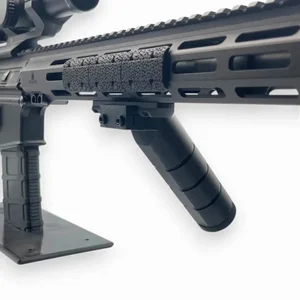
- Reinforcement: Use a foregrip to increase the stability of the weapon.
6. Fast drawing of the weapon
In self-defense situations, reaction time counts. This exercise will help you develop the habit of quickly and confidently drawing the weapon from the holster.
- Setup: Make sure you have a safe environment.
- Drawing: Perform smooth and fast movements, drawing the gun from the holster and placing it in the ready position.
- Repeating: Repeat the exercise, focusing on speed and precision.
7. Magazine change simulation
A quick and efficient magazine change is a crucial skill in dynamic shooting situations. This exercise will help you develop the habit of efficiently changing magazines.
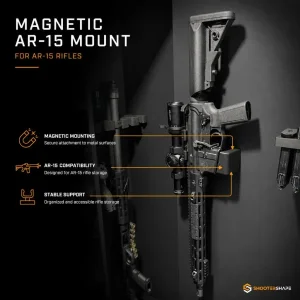
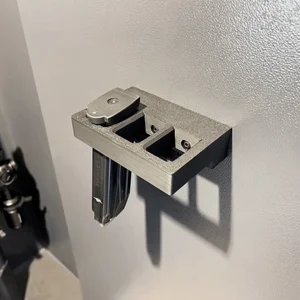
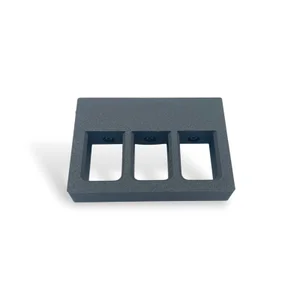
- Preparation: Prepare several empty magazines. You can use a magnetic magazine holder to keep them handy.
- Change: Perform smooth and fast movements, releasing the empty magazine, inserting a new one, and reloading the weapon.
- Repeating: Repeat the exercise, focusing on speed and precision.
Safety first!
Remember that safety is paramount. Before you start dry fire training, make sure the gun is unloaded and that there is no ammunition in the room. Check the gun TWICE. Treat the gun as if it were always loaded. Only aim in a safe direction. By following these rules, you can safely and effectively practice in the comfort of your home.
Frequently Asked Questions
Is dry fire safe?
Yes, dry fire is safe, provided that safety rules are followed. Make sure the gun is unloaded and that there is no ammunition in the room.
How often should I practice dry fire?
Regularity is the key to success. Practice dry fire daily, even for 15-20 minutes.
Do I need special tools for dry fire?
Some tools, such as snap caps, can be helpful, but they are not essential. You can practice dry fire with an empty weapon.
Is dry fire effective?
Yes, dry fire is an effective training method that allows you to improve your technique, eliminate errors, and strengthen muscle memory.
Can I practice dry fire with any weapon?
Yes, you can practice dry fire with most types of weapons. However, be sure to read the weapon's operating manual and make sure that dry fire will not damage the mechanisms.
Where can I find more information about dry fire?
You will find many articles and instructional videos on the Internet about dry fire. You can also consult with an experienced shooting instructor.
How long should I perform one dry fire exercise?
It depends on the exercise and your needs. Usually a few minutes for one exercise is enough. It is important to focus on quality rather than quantity of repetitions.
Will dry fire replace training at the shooting range?
No, dry fire will not replace training at the shooting range, but it is an excellent complement to it. Training at the shooting range allows you to test your skills in real conditions and adjust your technique.