Belt, or simply a belt. But in the world of shooting sports, this word takes on a specific meaning. It's not about an ordinary trouser belt, but a specialized piece of equipment that allows you to carry essential accessories during training, competitions, or tactical operations. A proper belt is the foundation of comfort and efficiency at the shooting range.
What is a shooting belt (belt)? Definition
A shooting belt, or belt, is a specially designed belt whose main task is to modularly carry shooting equipment. In simpler terms, it's the base of the system to which you attach pistol holsters, magazine pouches, first aid kits, knives, and other accessories needed during dynamic shooting or tactical applications. It must be durable, stable, and comfortable so as not to restrict movement and provide quick access to the necessary equipment.
Types of shooting belts – which belt to choose?
There are different types of shooting belts available on the market, differing in construction, materials, and purpose. The choice of the right model depends on the individual needs and preferences of the shooter.
Tactical belts (battle belt)
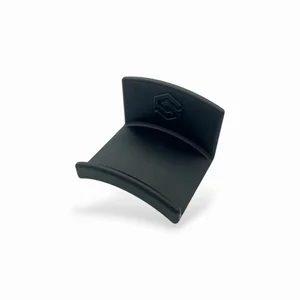
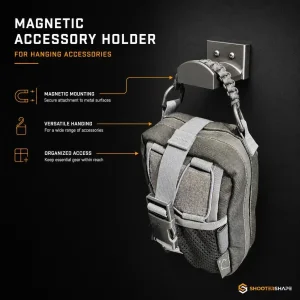
Tactical belts, also known as battle belts, are the most extensive solution. They are characterized by a wide, rigid construction, often with an internal stabilizing belt. They allow you to carry a large amount of equipment, evenly distributing the weight on the hips. Ideal for law enforcement, dynamic shooters, and people who need to have all the necessary equipment at hand. Often equipped with the MOLLE system, which allows you to freely configure pouches and accessories. A magnetic headphone holder is perfect for mounting on such a belt.
Competition belts (IPSС/IDPA)
Competition belts are lighter and more flexible than tactical belts. Designed for IPSC and IDPA competitions, where speed and convenience count. They usually consist of two belts: an inner one, worn on the trousers, and an outer one, to which holsters and pouches are attached. This construction ensures the stability of the equipment and allows for quick configuration changes.
EDC (Everyday Carry) Belts
EDC belts are a compromise between the functionality of a tactical belt and discretion. Narrower and more elegant than a battle belt, they allow you to carry basic equipment, such as an IWB (Inside the Waistband) holster for a pistol, a knife, or a flashlight, without being conspicuous. Ideal for everyday carry for people who have a gun permit and want to have it with them at all times.
What to pay attention to when choosing a shooting belt?
When choosing a shooting belt, it is worth paying attention to several key factors:
- Durability: The belt must be made of strong materials such as ballistic nylon, cordura or leather. The seams should be strong and resistant to abrasion.
- Stability: The belt should fit snugly to the body and not move during movement. A wide construction and an internal stabilizing belt are features that increase stability.
- Comfort: The belt should be comfortable to wear, even when heavily loaded. Padded panels and an ergonomic shape improve comfort.
- Modularity: The MOLLE system or other solutions enabling the attachment of accessories allow for free configuration of equipment.
- Size: The belt should be properly fitted to the waist circumference. A belt that is too tight will restrict movement, and a belt that is too loose will move and make it difficult to access accessories.
Accessories for shooting belts – what is worth buying?
The belt itself is just the beginning. To fully exploit its potential, it is worth buying appropriate accessories:
- Holsters: The basis of every shooter's equipment. Choose a holster tailored to the pistol model and preferred method of carrying.
- Magazine pouches: Enable quick and easy access to spare magazines. Different types of pouches are available, for one or more magazines, open or closed.
- First aid kits: An essential piece of equipment, especially during training and competitions. It should contain basic dressings and medicines.
- Knives: A tactical knife can be useful in various situations, from cutting a rope to self-defense.
- Flashlights: A tactical flashlight provides lighting in low visibility conditions.
Summary – a shooting belt is the foundation of equipment
A shooting belt is an essential piece of equipment for every shooter, regardless of their level of advancement. A properly selected belt ensures comfort, stability and quick access to the necessary equipment. When choosing a belt, pay attention to its durability, stability, comfort, modularity and size. Remember to also buy appropriate accessories, such as holsters, pouches and first aid kits. Thanks to this, you will be able to fully enjoy shooting and achieve increasingly better results.
Frequently Asked Questions
Which shooting belt should I choose to start with?
To start, if you are just starting your adventure with shooting, an EDC belt will be a good choice. It is universal, comfortable and discreet. You can use it both on the shooting range and every day, to carry a gun in an IWB holster.
Is a tactical belt comfortable to wear every day?
Tactical belts (battle belt) are designed to carry heavy loads and are very durable. However, due to their wide and rigid construction, they may be uncomfortable to wear every day. An EDC belt is a better choice for everyday use.
How to choose the size of a shooting belt?
The size of the shooting belt is selected based on the waist circumference. Measure the circumference in the place where you will wear the belt, and then check the manufacturer's size chart. Remember that some belts have adjustment options, which makes it easier to fit.
Is the MOLLE system a standard in shooting belts?
The MOLLE (Modular Lightweight Load-carrying Equipment) system is very popular in tactical belts, but it is not the only standard. There are also other accessory mounting systems, such as loops, Velcro or special rails. However, MOLLE is very universal and allows for a lot of freedom in configuring equipment.
What material should a good shooting belt be made of?
A good shooting belt should be made of durable material, such as ballistic nylon, cordura or leather. The material should be resistant to abrasion, tearing and moisture. The seams should be strong and made of strong threads.
Where can I buy a good quality shooting belt?
Good quality shooting belts can be purchased in stores specializing in tactical equipment, hunting and shooting stores, and online stores. Before buying, it is worth reading reviews from other users and comparing different models.