Magazine – what is it actually? It's a key element of a firearm, without which firing an accurate shot would be impossible. Simply put, it's a container for cartridges that enables quick and efficient feeding of ammunition into the chamber. Sounds simple, but in reality, the topic is much more complex.
Magazines: what are they? Definition and basic functions
A magazine is a device used to store and feed ammunition into a firearm. Its main task is to ensure continuity of fire by automatically or semi-automatically feeding successive cartridges into the chamber. In other words, it is thanks to it that you do not have to manually insert a cartridge into the barrel after each shot. Imagine a revolver – there, the cylinder performs a similar function. In a pistol or rifle, you have a magazine.
It is worth remembering that **a magazine is not the same as ammunition**. It is just a container that stores it. The cartridges themselves are a completely different matter.
Types of magazines – from box to drum
Magazines come in various shapes, sizes and configurations. The most popular types are:
- Box magazines: Most commonly found in pistols and rifles. They have a rectangular shape and are usually made of metal or plastic.
- Tube magazines: Used mainly in shotguns, where cartridges are placed one behind the other in a tube under the barrel.
- Drum magazines: Characterized by high capacity and a round shape. Often found in machine guns and some submachine guns. We write more about them in this article.
- Helical magazines: Less common, but also characterized by high capacity. Cartridges are placed in a spiral feeder.
Of course, this is just a general division. In each of these types, we will still find various variants and subtypes, differing in capacity, material or method of attachment to the weapon.
Magazine capacity – how many rounds can I load?
Magazine capacity is the number of rounds that a given magazine can hold. This is a parameter regulated by law in many countries, including Poland. According to Polish law, civilian magazines for semi-automatic weapons cannot have a capacity greater than 10 rounds. The exception is magazines for rimfire weapons (.22 LR), where capacity limits do not apply.
It is worth remembering that exceeding the allowed magazine capacity may result in legal consequences.
Materials from which magazines are made – steel, polymer, aluminum
Magazines can be made of various materials, each of which has its advantages and disadvantages:
- Steel: The most durable and resistant to mechanical damage. Used in magazines for military and sporting weapons.
- Polymer: Lighter than steel, resistant to corrosion and weather conditions. Increasingly popular in magazines for civilian weapons. Magpul is often used.
- Aluminum: Light and durable, but less resistant to damage than steel. Used in magazines for some AR-15 rifles.
How to care for magazines? Cleaning, maintenance, storage
Regular cleaning and maintenance of magazines is the basis for their reliable operation. Neglected magazines can jam, which in a stressful situation can have serious consequences. So how do you take care of magazines?
- Cleaning: After each use (or at least from time to time) disassemble the magazine and remove dirt, dust and powder residue from it. You can use special brushes and gun solvents for this.
- Maintenance: After cleaning, it is worth oiling the internal elements of the magazine to prevent corrosion and ensure smooth operation of the spring.
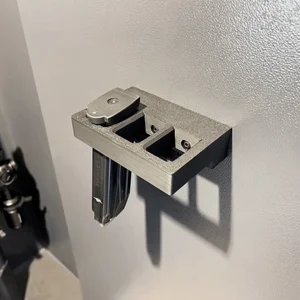
- Storage: Magazines should be stored in a dry and cool place, away from sources of heat and moisture. Storing them in special containers or organizers is a good solution.
Magazine accessories – pouches, speedloaders, extensions
There are many accessories available on the market that make using magazines easier and increase their functionality. The most popular include:
- Pouches: Enable convenient and safe carrying of magazines on a belt or tactical vest.
- Speedloaders: Speed up and facilitate magazine loading. Particularly useful with larger amounts of ammunition.
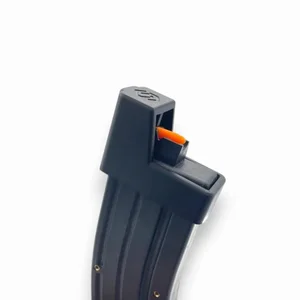
- Extensions: Increase magazine capacity. However, remember the legal restrictions regarding magazine capacity.
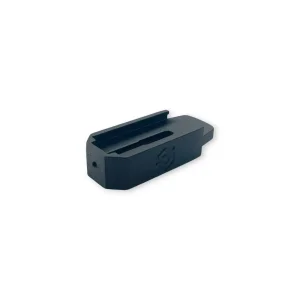
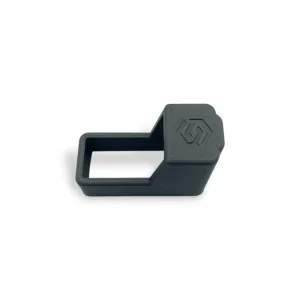
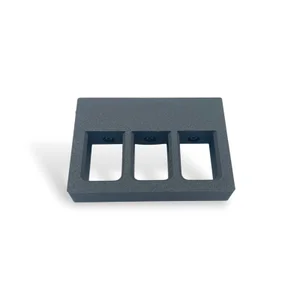
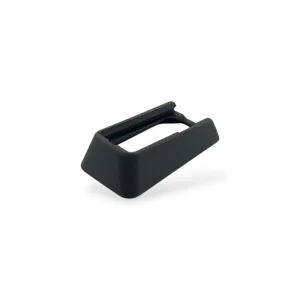
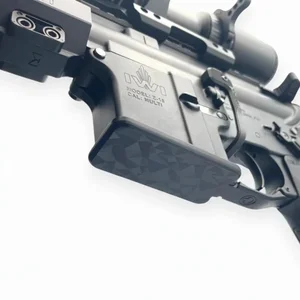
- Magwell: An overlay that makes quick magazine changes easier.
Magazines in different weapon systems – AR-15, AK-47, Glock
Each weapon system has its specific magazines that are dedicated to it. For example:
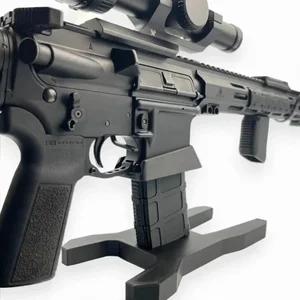
- AR-15: Box magazines, usually with a capacity of 30 rounds (in countries where there are no legal restrictions). Made of steel, aluminum or polymer.
- AK-47: Box magazines, usually with a capacity of 30 rounds. They are characterized by high reliability and durability.
- Glock: Box magazines, with various capacities depending on the pistol model. Made of polymer with steel reinforcements.
Summary – magazines are the basis for efficient shooting
Magazines are an integral part of a firearm, which has a huge impact on its functionality and reliability. Choosing the right magazine, taking care of its technical condition and using the right accessories are the key to efficient and safe shooting.
Frequently asked questions
Can I use magazines with a larger capacity than allowed by law?
No, using magazines with a larger capacity than allowed is illegal and may result in legal consequences. In Poland, for semi-automatic weapons, the limit is 10 rounds (exception: .22LR).
How often should I clean my magazines?
It is recommended to clean magazines after each intensive use at the shooting range or at least once every few months, even if the weapon has not been used. Regular cleaning prevents jamming and corrosion.
Can I use car greases and oils to maintain magazines?
No, only specialized gun oils and greases should be used for magazine maintenance. Automotive products may contain substances harmful to weapon and magazine components.
Where is the best place to store magazines?
Magazines are best stored in a dry, cool and shady place, away from sources of heat and moisture. You can use special organizers in the gun cabinet or dedicated containers.
Are there any special types of magazines for dry fire training?
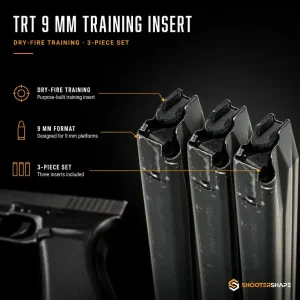
Special magazines are not used for dry fire training, but so-called snap caps, i.e. dummy cartridges, can be used to protect the firing pin from damage. Some companies also offer magazine inserts that block the trigger mechanism and enable safe training without ammunition.
Can I repair damaged magazines myself?
Minor repairs, such as replacing the spring or follower, can be done yourself. However, in the event of more serious damage, it is recommended to take the magazine to a gunsmith.
What are the most common causes of magazine jams?
The most common causes of magazine jams include: dirt, corrosion, mechanical damage (e.g. bent follower), incorrect lubrication and the use of low-quality ammunition.
Is it worth buying used magazines?
Buying used magazines can be risky because we don't know their history and technical condition. If you decide to buy a used magazine, look at it carefully and check for any damage.