Training dry fire is fundamental in the arsenal of every shooter, regardless of skill level. It allows you to perfect your technique, develop habits, and work on precision without spending a fortune on ammunition and visits to the shooting range. But for training to be truly effective, it must be carried out reasonably and with the right tools. There are many on the market – from simple snap caps, to inserts, to advanced laser training systems. How do you make sense of it all and what do you choose?
In this article, we'll guide you through the world of dry fire accessories. We'll discuss the pros and cons of each solution, give you tips on what to look for when choosing, and how to use these tools safely. Whether you're training with a pistol, carbine AR15, or shotgun, you'll find something for you here.
Why invest in dry fire tools?
Why even bother with additional accessories? After all, you can just practice "dry" with the weapon, right? Kind of, but dedicated tools offer real benefits:
- Greater safety: Snap caps and inserts protect the firing pin from damage during frequent "dry clicks."
- Better simulation: Some tools, such as laser systems, more accurately reflect shooting conditions, allowing you to work on sighting and trigger control.
- Greater engagement: Training with accessories is simply more interesting and engaging, which translates into better results. Monotony kills efficiency.
Remember: even the best tool won't replace common sense and adherence to safety rules. Always make sure the gun is unloaded and safe before starting training!
Snap Caps: Basic Protection and Simulation
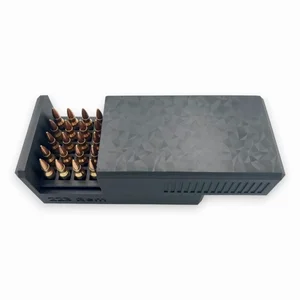
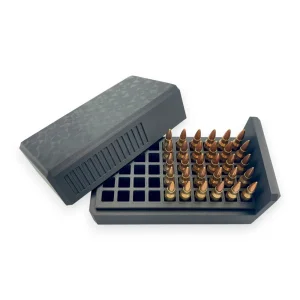
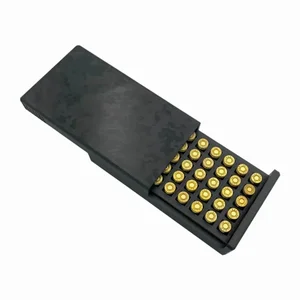
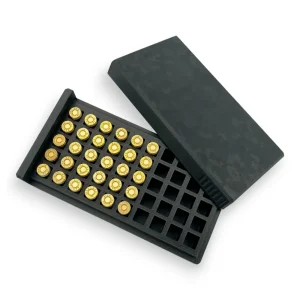
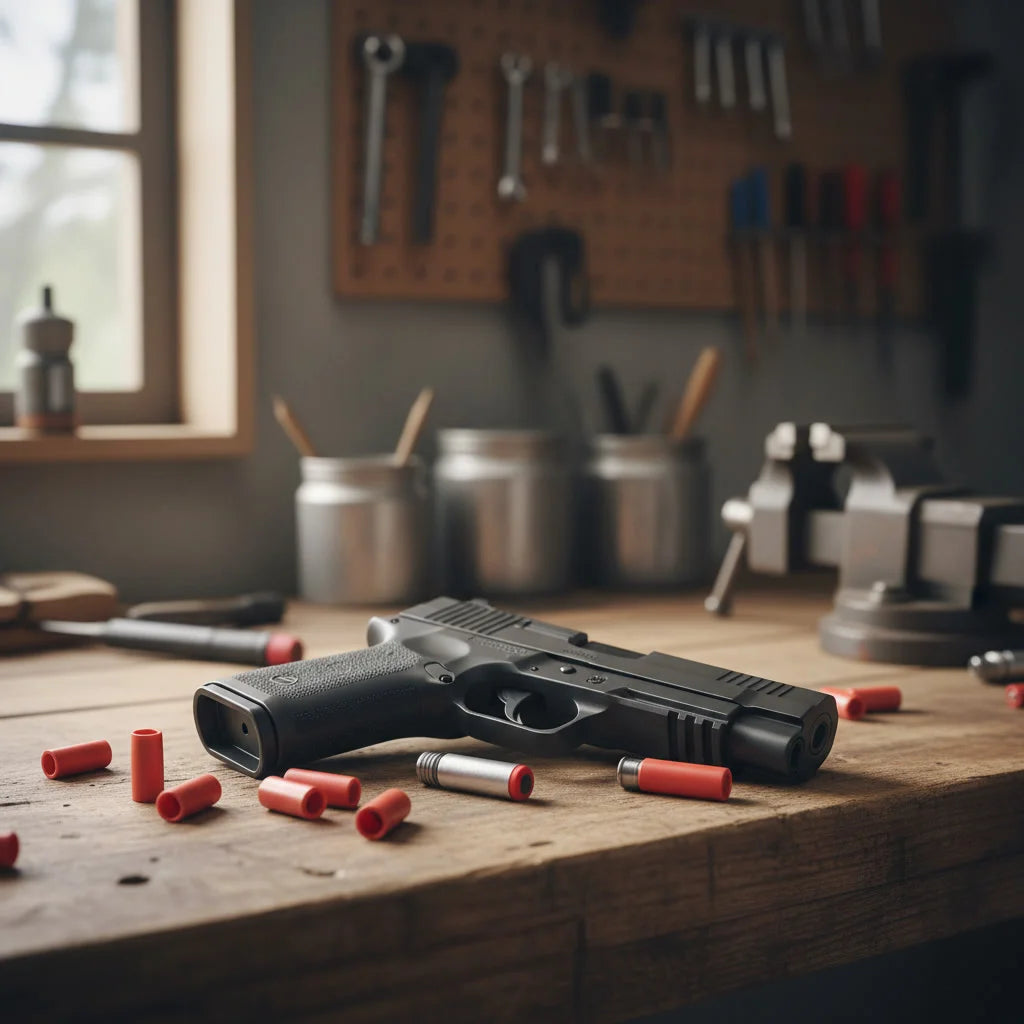
Snap caps are the simplest and cheapest dry fire accessories. They look like ammunition, but instead of gunpowder and a projectile, they have a built-in element that absorbs the impact of the firing pin. They are available in various calibers, including 9mm, .223/5.56, .22 LR.
Advantages of snap caps:
- Low price.
- Firing pin protection.
- Availability in many calibers.
Disadvantages of snap caps:
- Limited simulation (no recoil, no sound).
- Need to manually reload after each "shot."
- They can wear out and need replacing.
Snap caps are a good choice for beginners who want to protect their weapon and get used to working with the trigger. They will also be useful if you practice a lot with a weapon in which the manufacturer explicitly recommends using snap caps during dry fire.
Inserts: Simulation with trigger reset
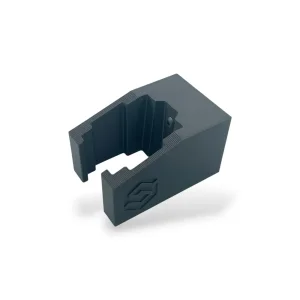
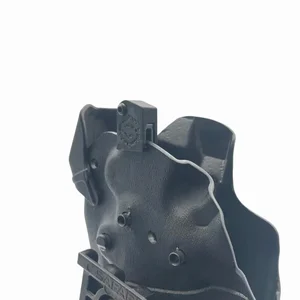
Inserts, such as TRT 9mm, are a more advanced solution. They are inserted into the chamber of the pistol (usually instead of the magazine) and allow you to "shoot" with trigger reset – that is, without having to reload the slide each time. This speeds up training considerably and allows you to focus on technique.
Advantages of inserts:
- Trigger reset simulation.
- Possibility of faster training.
- Realistic feel (for some models).
Disadvantages of inserts:
- Higher price than snap caps.
- May only be compatible with specific weapon models.
- Requires some practice in assembly and disassembly.
Inserts are a good choice for people who want to train trigger work more intensively and have some experience with their weapon. Especially useful for pistols with a short trigger reset, such as Glock or CZ P-10C.
Laser Training: Precise Exercises with a Sight
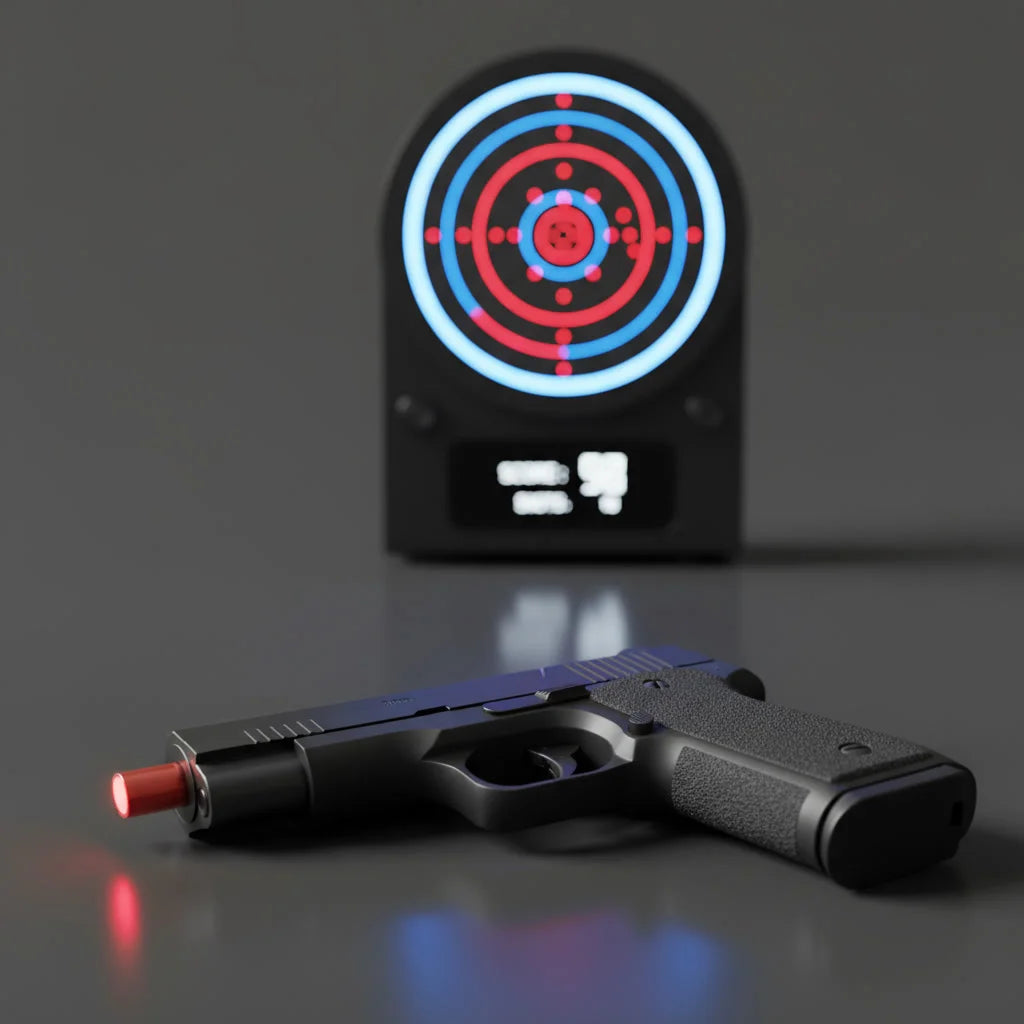
Laser training systems are the most advanced dry fire tool. They consist of a laser "cartridge" that is inserted into the chamber and a target (or smartphone/tablet application) that records hits. When the trigger is pulled, the laser emits a short flash, and the target shows where the "projectile" hit.
Advantages of laser training:
- Precise tracking of hits.
- Ability to analyze errors.
- Various training modes (e.g. IPSC competition simulation).
- Attractive form of training.
Disadvantages of laser training:
- High price.
- Requires batteries and regular calibration.
- May not be compatible with all weapon models (especially with unusual calibers).
Laser training is an excellent choice for people who want to take shooting training seriously and have the budget for more expensive equipment. They allow you to work effectively on precision, trigger control and sighting. You can even measure your progress and track statistics.
How to choose the right dry fire tool?
The choice depends on several factors:
- Budget: Snap caps are the cheapest, laser training the most expensive.
- Skill level: Beginners can start with snap caps, advanced users will appreciate laser training.
- Training goal: Firing pin protection? Trigger work? Precision? Each tool has its strengths.
- Weapon compatibility: Make sure the tool you choose fits your pistol/rifle.
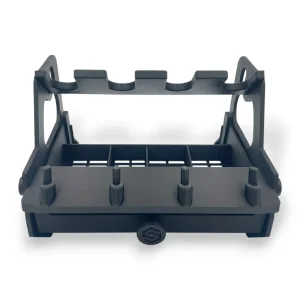
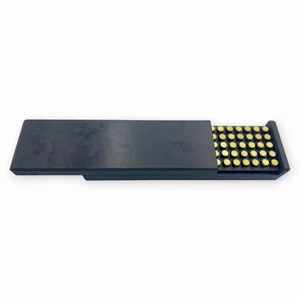
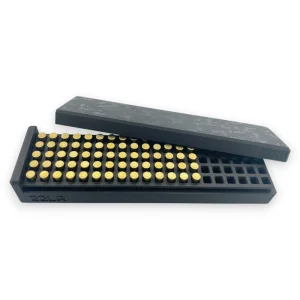
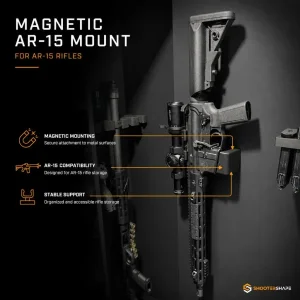
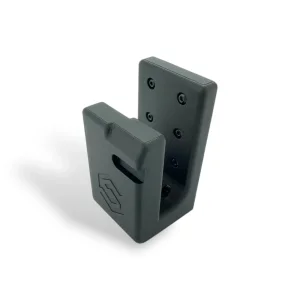
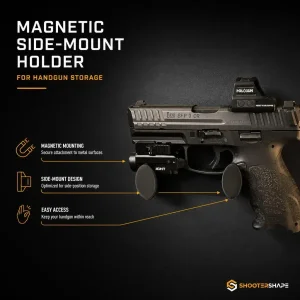
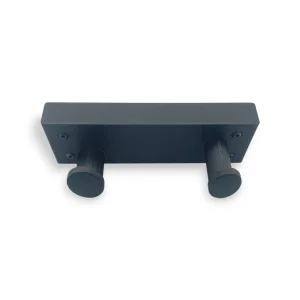
Before you make a purchase, read reviews, compare different models and, if possible, test them yourself. Also remember about accessories that will make it easier for you to organize your training, e.g. pistol stand, magazine container or magnetic gun mount for storage in a gun safe.
Safety first!
Regardless of the tool you choose, remember the most important rule: safety during dry fire is paramount. Always make sure the gun is unloaded, use a safety flag and train in a safe place, away from bystanders. Even if you're training "dry," treat the weapon with the same respect as if it were loaded with live ammunition. This is the key to avoiding accidents and effective training.
Frequently Asked Questions
Are snap caps really necessary?
It depends on the weapon. Some models, especially older ones, require the use of snap caps for dry fire to protect the firing pin. In newer designs, this is often not necessary, but snap caps still provide additional protection.
Is laser training worth the price?
If you're serious about shooting training and want precise feedback, then yes. Laser training allows you to analyze errors and track progress, which translates into faster skill development.
How often should I replace snap caps?
It depends on the intensity of training and the quality of the snap caps. Observe them carefully and replace them when you notice signs of wear (e.g. cracks, deformations).
Can I use inserts in an AR15 rifle?
Yes, there are inserts designed for AR15 rifles, allowing you to simulate working with the trigger without having to reload.
Is laser training safe for the eyes?
Yes, provided you use it according to the manufacturer's instructions and avoid looking directly at the laser beam. Usually the lasers used in training systems have low power and are safe, but caution is always advised.
Can dry fire damage a weapon?
No, if you follow the safety rules and use the appropriate tools (e.g. snap caps). Regular dry fire can even improve the operation of the weapon's mechanisms, but only if it is carried out correctly.
What exercises can I do with laser training?
You can practice sighting, trigger control, transitions between targets, and even simulate shooting competitions. Laser training applications offer many different training modes to help you develop your skills.
Can I use snap caps in a shotgun?
Yes, there are snap caps designed for shotguns, available in various calibers, e.g. 12GA. They help protect the firing pin and mechanisms of the shotgun during dry fire.