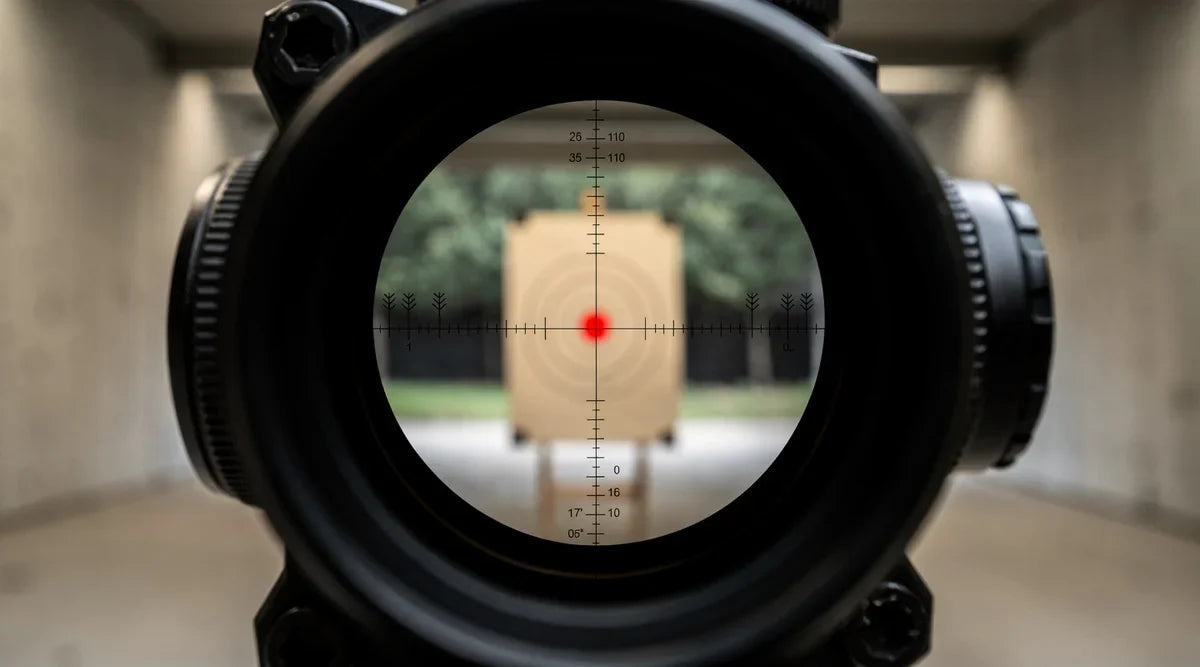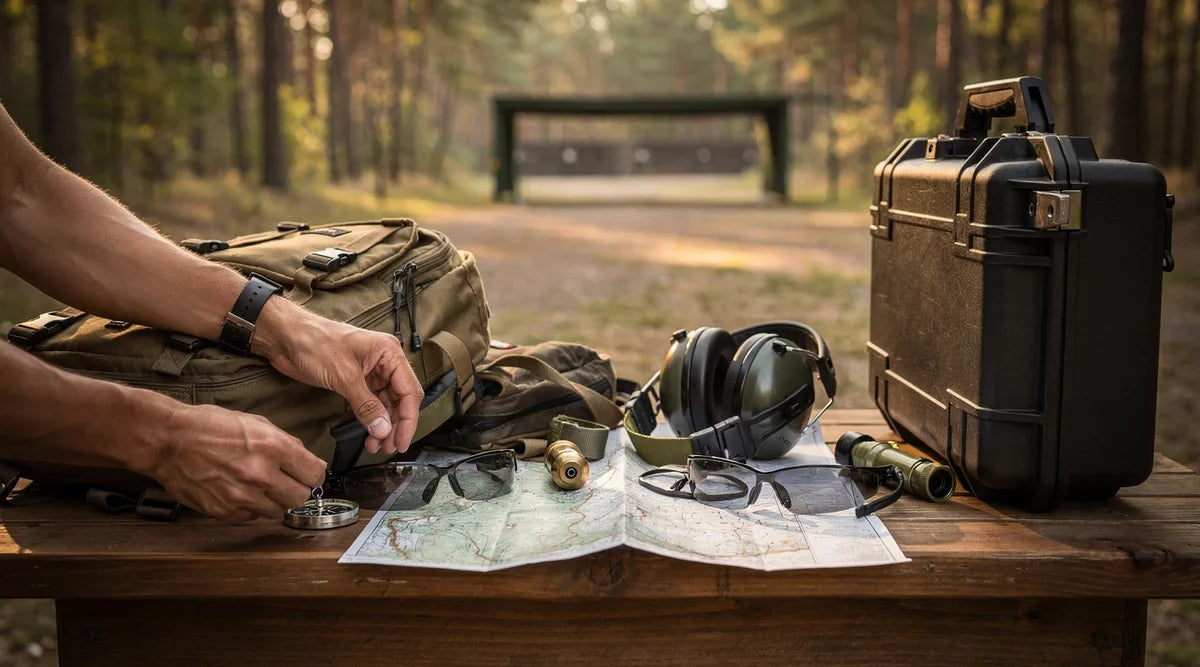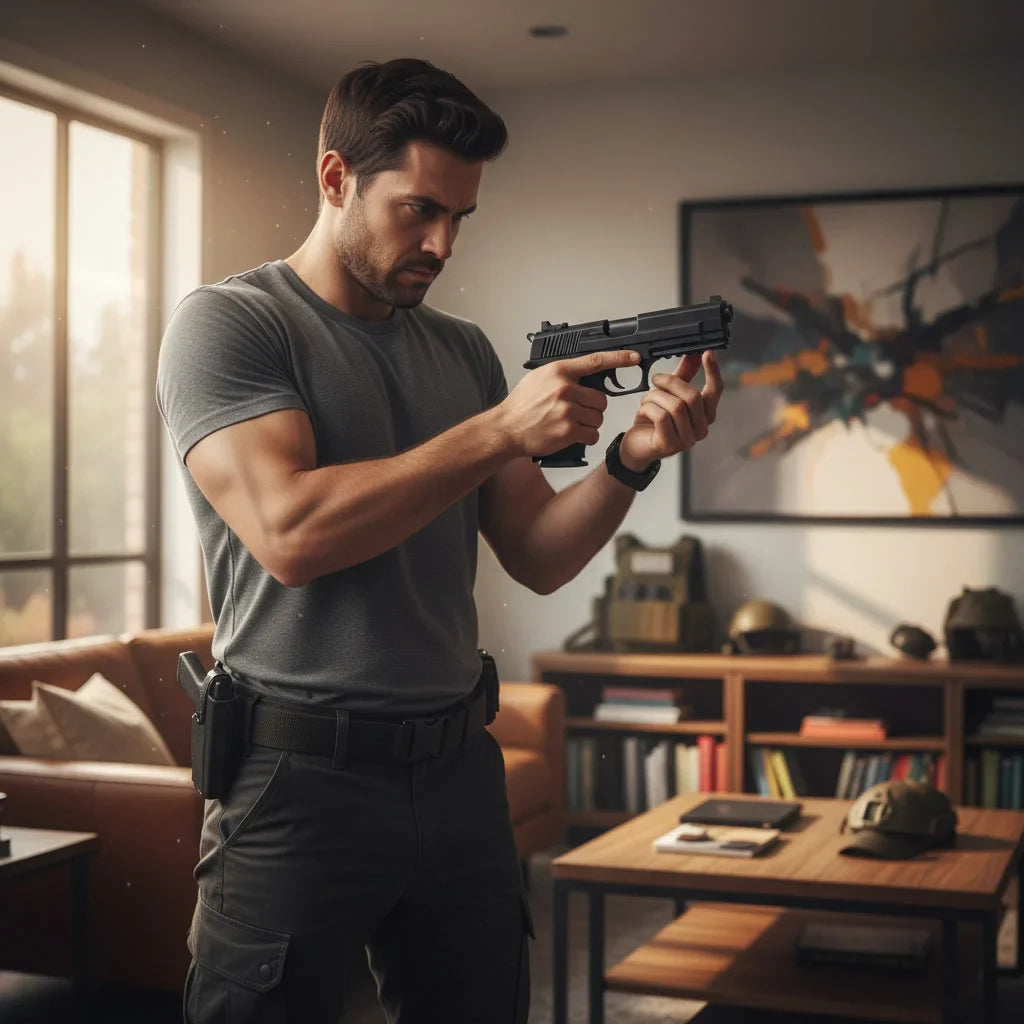
Dry fire is a fundamental method of improving shooting skills. It allows you to practice grip, sight alignment, trigger pull, and many other elements without the cost of ammunition and without having to visit the shooting range. Sounds perfect, right? But before you start dry firing with your pistol or AR15, you need to know a few key things about safety.
Dry firing, despite the lack of live ammunition, involves certain risks. Ignoring basic safety rules can lead to serious accidents. This article is a comprehensive guide to dry fire safety that will help you avoid mistakes and fully exploit the potential of this training method.
Absolute Basics: Check That the Gun is Unloaded!
This is not a truism, it's the foundation of safety. Before you even think about dry fire, make 100% sure that the gun is unloaded. And don't trust your memory! Always, ALWAYS, perform the following steps:
- Remove the magazine.
- Inspect the chamber – it must be empty!
- Visually and tactilely check that there is no cartridge in the chamber.
- Close the bolt and perform a "control shot" in a safe direction (see below).
Even if you are sure that the gun is empty, repeat this procedure. It literally saves lives. Treat every gun as if it were loaded until you have checked yourself that it is not. Remember, routine is your ally.
Choose a Safe Direction
Even if the gun is unloaded, there is always a minimal risk of accidental discharge (e.g., due to a damaged firing pin). That's why it's so important to choose a safe direction. What does that mean?
- A direction in which a possible shot will not cause any damage.
- Ideally, a thick (e.g., concrete) wall without windows and doors on the other side.
- Alternatively, point the gun down towards the floor, but make sure there are no hard surfaces there from which a bullet could ricochet (if, by some miracle, a shot occurs).
Avoid pointing the gun at people, animals, valuable objects, or anything that could be damaged. Think strategically and anticipate the worst-case scenario.
Remove Ammunition from the Room
This is another ironclad rule. During dry fire, there must not be a single cartridge in the room. Absolutely none. Not even one ammunition container lying on the table! This is a temptation that can end tragically.
Check your pockets, lockers, drawers, floor – everywhere a single cartridge could be. Move all ammunition to another room or, even better, to a gun safe. Safety first!
Use Snap Caps (Training Rounds) – Are They Really Necessary?
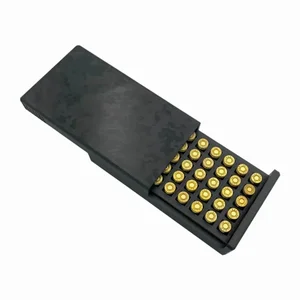
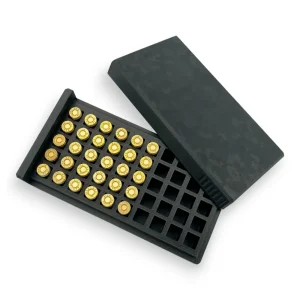
Snap caps, or training rounds, are dummy rounds that protect the firing pin from damage during dry fire. Are they necessary? It depends.
- In some gun models (especially older ones), regular dry fire without snap caps can lead to damage to the firing pin or other elements of the firing mechanism.
- In modern pistols and rifles, such as popular Glock or AR15 models, the risk of damage is minimal, but snap caps can still extend the life of the gun.
If you are in doubt, consult your gun's instruction manual or ask an experienced gunsmith. Snap caps are a small expense, and they can save you from serious problems.
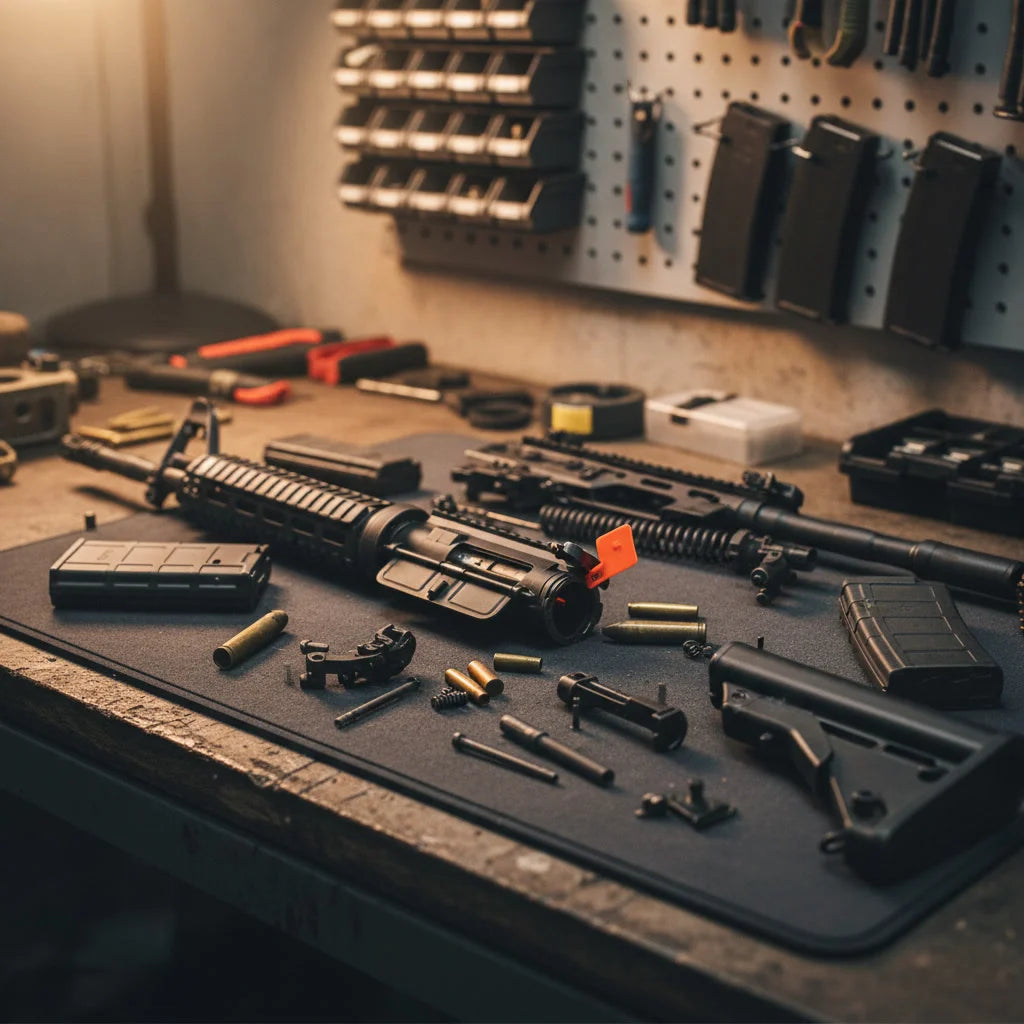
AR15 Specifics: Dry Fire Safety with a Carbine
Dry firing with an AR15 has some specific aspects to keep in mind:
- Make sure you have the appropriate safety flag, which clearly signals that the chamber is empty.
- If you are using a .22LR conversion (konwersjacmmg), remember to use special dry fire caps that protect the conversion firing pin.
- Regularly check the condition of the firing pin and hammer spring, especially if you are dry firing intensely.
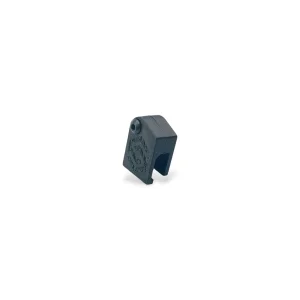
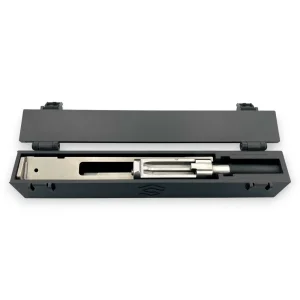
Additionally, consider using a Lower-Upper Connector, which allows you to safely connect the lower and upper parts of the rifle during weapon manipulation training.
Remember the Safety Rules During Manipulation
Dry fire is not just clicking the trigger. It's also an opportunity to practice weapon manipulation: magazine changes, reloading, clearing malfunctions. The safety rules also apply during these activities:
- Never point the gun at yourself or other people.
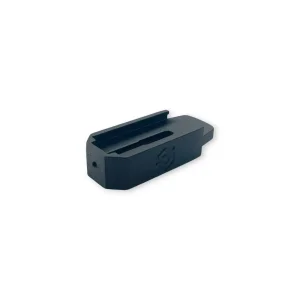
- Use dummy magazines to avoid the temptation of using real ones.
- Practice in a safe environment, without obstacles and bystanders.
Remember that the goal of dry fire is to improve your skills, not to create a threat to yourself and others.
Frequently Asked Questions
Does dry fire damage the gun?
In most modern guns, regular dry fire does not cause damage. However, in older models or in the case of intensive training, the firing pin or other parts may wear out. Using snap caps minimizes this risk.
Can I dry fire with a loaded magazine?
NEVER dry fire with a loaded magazine! This is a straight road to tragedy. There should be no ammunition in the room during dry fire.
How often should I dry fire?
It depends on your goals and capabilities. Even 15-20 minutes a day can bring significant results. Regularity is more important than the length of training sessions.
Is dry fire effective?
Yes, dry fire is a very effective training method. It allows you to perfect your shooting technique, build muscle memory, and improve your results at the shooting range.
Do I need special equipment for dry fire?
Basic dry fire does not require special equipment. All you need is a gun, a safe environment, and awareness of the safety rules. Snap caps and dummy magazines can be helpful, but are not essential.
Where can I safely dry fire?
Preferably in a dedicated room, such as a home shooting range or a room with thick walls. Make sure you have a safe direction and that there is no ammunition in the room.
What should I practice during dry fire?
You can practice grip, sight alignment, trigger pull, reloading, clearing malfunctions, and many other elements of shooting technique.
How do I avoid bad habits during dry fire?
Focus on precision and correct technique. Record your workouts and analyze them to identify mistakes. You can also seek help from an experienced instructor.