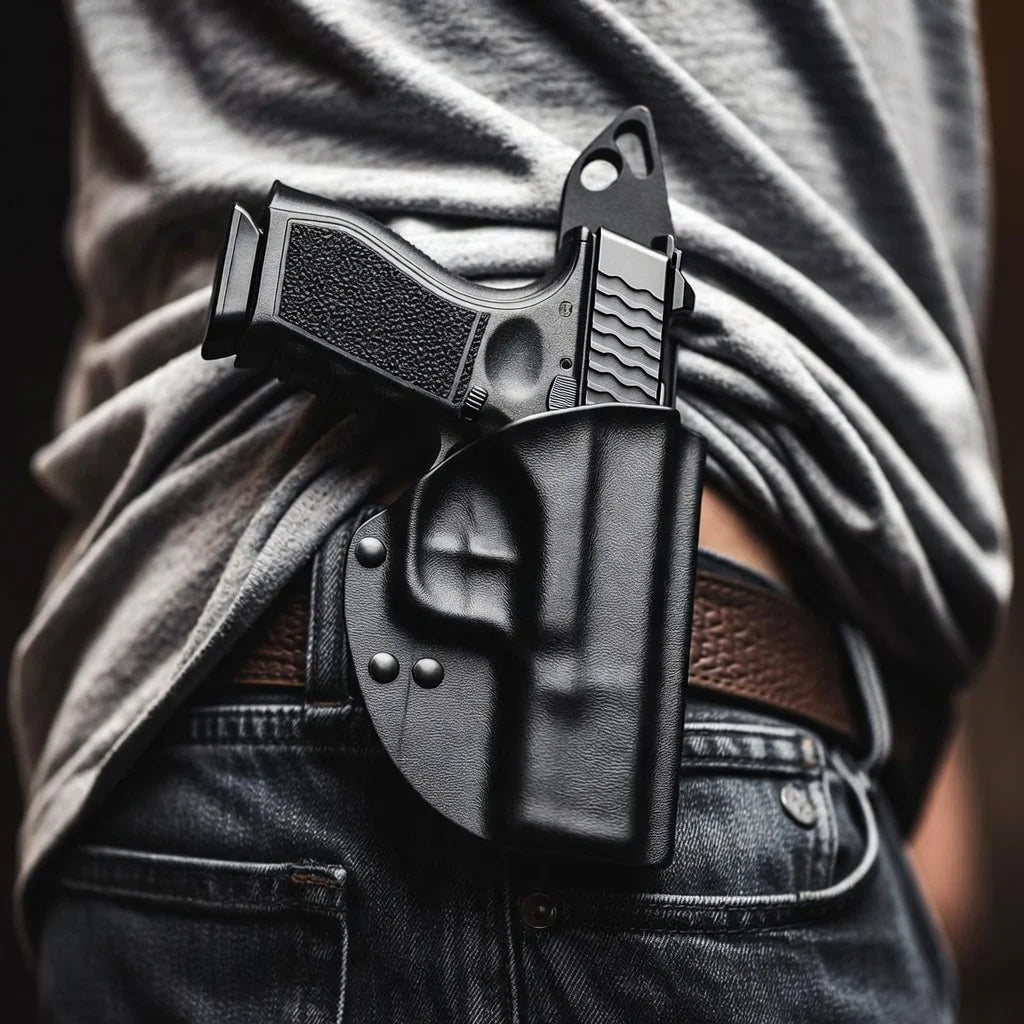
Choosing the right holster for concealed carry is a decision that affects comfort, safety, and effectiveness. There are various types of holsters available on the market, and the three most popular are IWB (Inside the Waistband), OWB (Outside the Waistband), and Appendix Carry. Each has its advantages and disadvantages, and the best choice depends on individual preferences, body type, the type of weapon carried, and dressing style.
This article aims to explain the specifics of each of these holsters, discuss their advantages and disadvantages, and provide practical tips to help you make an informed decision and choose the holster that best suits your needs. We will also consider safety issues and training with a given type of holster.
IWB (Inside the Waistband) Holsters: Concealed Carry Inside the Pants
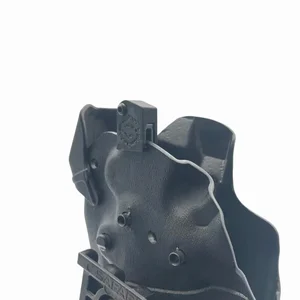
IWB holsters, i.e., those worn inside the pants, are one of the most popular solutions for concealed carry. Their main advantage is excellent weapon concealment. The pistol is hidden between the pants and the body, making it practically invisible to outsiders. IWBs work particularly well in situations where discretion is a priority.
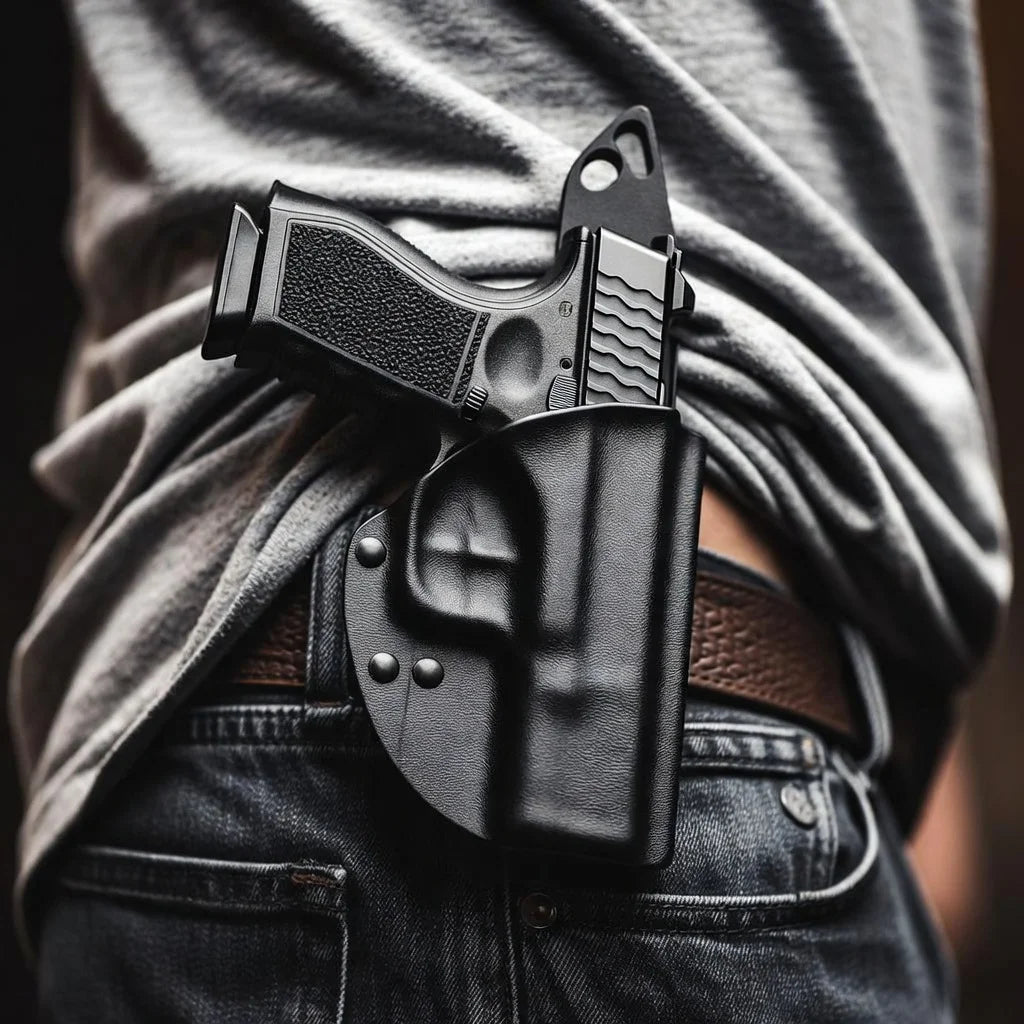
Advantages of IWB Holsters:
- Excellent concealment: The weapon is practically invisible.
- Accessibility: Despite being hidden, access to the weapon can be quick with proper training.
- Versatility: They fit various types of weapons and body types, although some models may be more comfortable than others.
Disadvantages of IWB Holsters:
- Comfort: Carrying a weapon inside the pants can be less comfortable, especially on hot days or when sitting for long periods.
- Thickness: An extra layer of material inside the pants can cause discomfort or create a feeling of tightness.
- Requires a suitable belt: A solid belt is necessary for stable carrying of a weapon in an IWB holster, which will hold the weight of the pistol and prevent it from shifting.
OWB (Outside the Waistband) Holsters: Quick Access Outside the Pants
OWB holsters, i.e., those worn outside the pants, offer faster and easier access to the weapon. They are often chosen by law enforcement officers and people actively engaged in sport shooting. However, in the context of concealed carry, they require appropriate camouflage, for example, in the form of a longer jacket or sweatshirt.
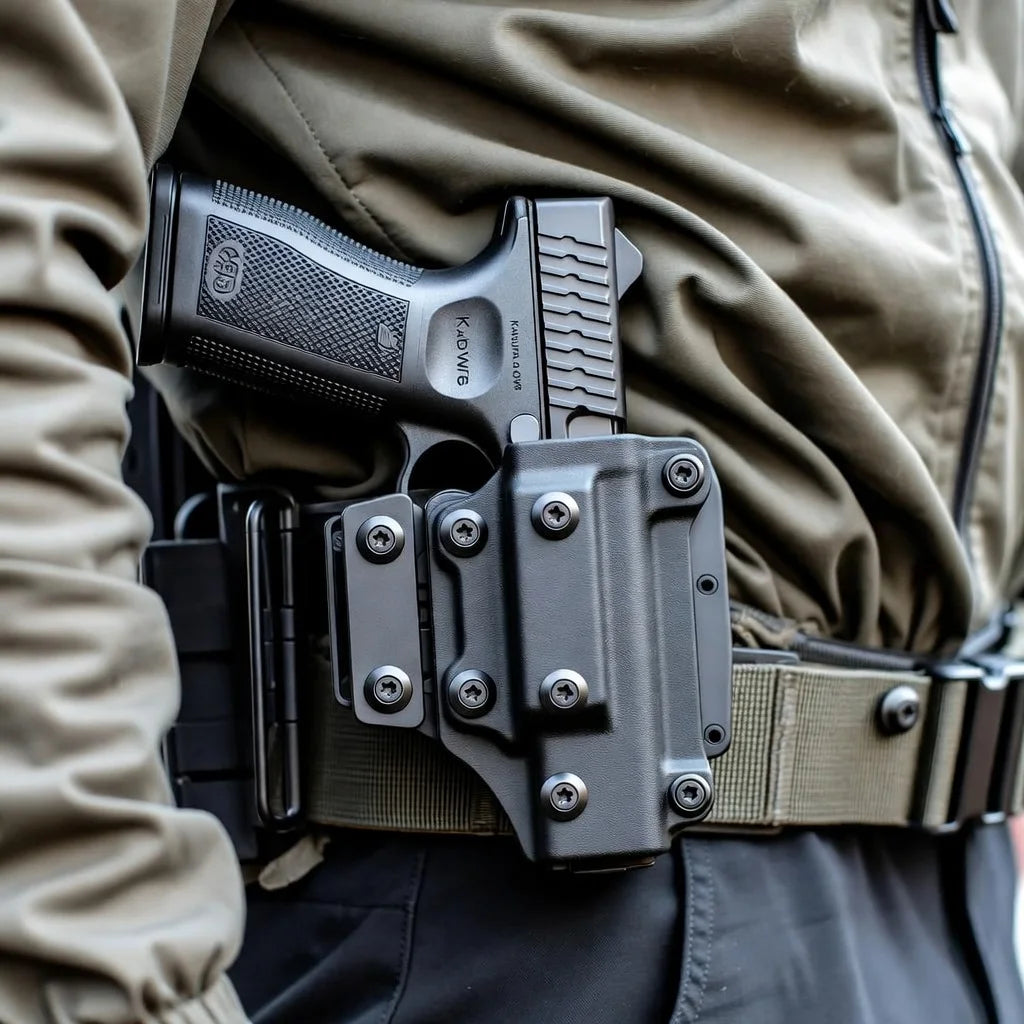
Advantages of OWB Holsters:
- Quick access: Drawing a weapon from an OWB holster is usually faster than with an IWB.
- Comfort: Carrying a weapon outside the pants is usually more comfortable, especially on hot days.
- Fewer restrictions: They do not cause a feeling of tightness in the pants.
Disadvantages of OWB Holsters:
- Poor concealment: They require appropriate outerwear to effectively hide the weapon.
- Risk of exposure: A careless movement or a gust of wind may reveal the weapon.
- May be less stable: Depending on the design, an OWB holster may be less firmly attached to the body than an IWB.
Appendix Carry: An Alternative for the Demanding
Appendix Carry is a specific way of wearing an IWB holster at the front, at the 1-2 o'clock position (for a right-handed person). It is gaining popularity due to the quick access to the weapon and relatively good concealment. However, it requires a holster specifically designed for this position and appropriate training.
Advantages of Appendix Carry:
- Very fast access: One of the fastest methods of drawing a weapon.
- Good concealment: With the right choice of holster and clothing, the weapon is well hidden.
- Natural position: For some people, the front position is more natural and comfortable.
Disadvantages of Appendix Carry:
- Comfort: It can be uncomfortable for people with larger stomachs or those leading a sedentary lifestyle.
- Safety: Requires extreme caution when inserting the weapon into the holster to avoid accidental discharge.
- Requires a special holster: Not every IWB holster is suitable for Appendix Carry. You should choose a model designed specifically for this position.
How to Choose the Right Holster for Concealed Carry?
Choosing the right holster is an individual process. Here are some factors to consider:- Type of weapon: The size and weight of the pistol affect carrying comfort and concealment.
- Body type: Some types of holsters may be more comfortable for people with a specific body type.
- Dressing style: Your everyday clothes should allow for effective concealment of the weapon.
- Lifestyle: If you lead an active lifestyle, choose a holster that provides stability and freedom of movement.
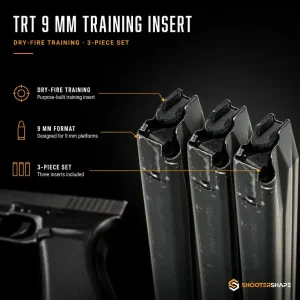
- Training and experience: Regular training with a given holster is crucial for mastering quick and safe weapon drawing. Consider dry fire as part of your training.
- Safety: Make sure the holster has adequate safeguards to prevent accidental discharge. Pay attention to the material – kydex is popular because of its durability.
Remember that choosing a holster is just one piece of the puzzle. Equally important is proper training, knowledge of the law, and adherence to safety rules. Concealed carry is a serious responsibility that requires consideration and preparation.
Frequently Asked Questions
What is the difference between an IWB and an OWB holster?
An IWB (Inside the Waistband) holster is worn inside the pants, providing better concealment but may be less comfortable. An OWB (Outside the Waistband) holster is worn outside the pants, offering faster access but requiring appropriate outerwear to conceal the weapon.
Is Appendix Carry safe?
Appendix Carry can be safe, provided that a holster specifically designed for this position is used and safety rules are followed when inserting and removing the weapon.
What belt is best for concealed carry?
Can I wear an IWB holster in the summer?
Yes, you can wear an IWB holster in the summer, but choose a model made of breathable material to minimize discomfort.
Do I need a special permit for concealed carry?
Concealed carry regulations vary by country and jurisdiction. Always check local laws before deciding to carry a weapon.
How often should I train with a concealed carry holster?
You should train with a concealed carry holster regularly to master quick and safe weapon drawing. The frequency of training depends on your experience and skills, but it is recommended to train at least once a month.
Where can I buy a good concealed carry holster?
Good concealed carry holsters can be purchased at gun stores, online stores specializing in shooting accessories, and directly from holster manufacturers.