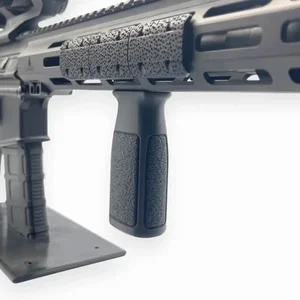
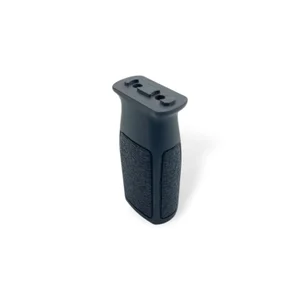
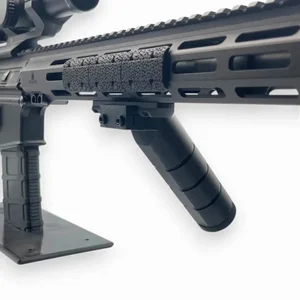
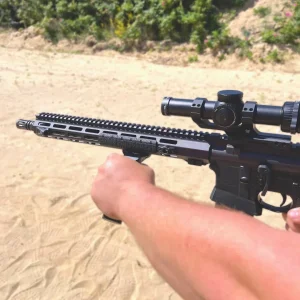
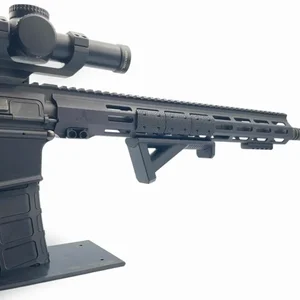
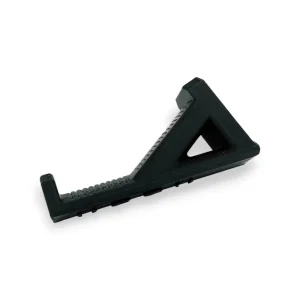
An angled foregrip, sometimes called a slant grip, is simply an additional element mounted on the handguard of a weapon, most often a rifle. It allows for a more natural and comfortable hand position for the shooter. Instead of holding the weapon perpendicular to the barrel, the hand is positioned at an angle, which translates into better control and reduced recoil. That's it in a nutshell.
What exactly is an angled foregrip and why should you be interested in it?
In the world of shooting, where precision, speed, and comfort are paramount, ergonomics play a key role. One of the elements that significantly affects these aspects is the weapon's grip. Standard vertical grips, although popular, are not always ideal for every shooter. This is where the angled foregrip comes in, offering an alternative solution that can significantly improve your results on the shooting range.
An angled foregrip is nothing more than a type of forward grip mounted on the rifle's handguard, which - as the name suggests - is set at an angle to the barrel. This angle, depending on the model, can range from a dozen to even 45 degrees. Thanks to this, the shooter's hand is positioned more naturally, which translates into:
- Better control over the weapon
- Reduced perceived recoil
- Faster and more intuitive aiming
- Increased comfort during prolonged shooting
Sounds good, doesn't it? But before you rush to the store for your own angled foregrip, it's worth learning a little more about it.
History and evolution of angled foregrips
Although angled foregrips have gained popularity relatively recently, the idea of improving the ergonomics of a weapon's grip is as old as shooting itself. Initially, shooters coped in various ways, modifying factory handguards or improvising with available materials. Only the development of modern rifle platforms, such as the AR15, gave the impetus to the creation of dedicated accessories, including angled foregrips.
The first angled foregrips were often quite clumsy and universal, but over time manufacturers began to experiment with different angles, shapes, and materials. Today, there is a wide selection of angled foregrips on the market, tailored to different shooting styles and user preferences. We have minimalist grips that barely protrude beyond the outline of the handguard, as well as more extensive designs offering additional support points for the hand.
Application of the angled foregrip in various shooting disciplines
An angled foregrip is not just a gadget for lovers of tactical weapon appearance. It is a real tool that can improve your results in various shooting disciplines:
- Dynamic shooting (IPSC, 3-Gun): Fast changes of position, dynamic aiming and firing multiple shots in a short time - here the angled foregrip allows for a more secure and intuitive grip of the weapon, which translates into faster transitions between targets and better recoil control.
- Precision shooting (PRS, Benchrest): Stability is key. An angled foregrip, combined with the right technique, can help stabilize the weapon and minimize vibrations, which is crucial for achieving high precision.
- Recreational shooting: Simply greater comfort and enjoyment of shooting. An angled foregrip can reduce hand and wrist fatigue during long sessions at the shooting range.
How to choose the right angled foregrip?
Choosing the right angled foregrip is an individual matter, but there are several factors to consider:
- Angle of inclination: Experiment with different angles to find the one that best suits your shooting style and body build. Some prefer smaller angles (10-15 degrees), which provide subtle support, others larger ones (30-45 degrees), which allow for a more aggressive grip.
- Material: The most popular materials are polymers and aluminum. Polymers are lighter and more resistant to weather conditions, but aluminum is more durable and rigid.
- Texture: An aggressive texture provides a secure grip, even when you have wet or dirty hands. However, too aggressive a texture can cause discomfort during prolonged shooting.
- Mounting: Make sure the grip is compatible with the mounting system of your weapon (Picatinny, M-LOK, KeyMod).
Angled foregrip and legal regulations – what to remember?
In Poland, possessing and using angled foregrips is legal, as long as they do not change the nature of the weapon (e.g., by making it an automatic weapon). However, it is always worth familiarizing yourself with current regulations and shooting range rules to avoid misunderstandings.
Also, remember that some weapon modifications may require notification to the Police. If in doubt, consult with the press spokesperson of the Provincial Police Headquarters.
Practical tips and tricks
- Experiment with the setting: Move the angled foregrip along the handguard to find the optimal position for your hand.
- Train regularly: The more you practice with the angled foregrip, the faster you will get used to the new grip and start taking advantage of its benefits. Consider dry-fire training.
- Combine with other accessories: The angled foregrip works great with other accessories, such as red dot sights, tactical flashlights, or laser sights.
Summary: Is an angled foregrip for you?
An angled foregrip is undoubtedly an interesting and potentially very useful addition to a weapon. It offers better control, recoil reduction, and increased comfort, which translates into better results on the shooting range. If you are looking for a way to improve your ergonomics and accuracy, then it is definitely worth giving it a chance. Remember, however, that choosing the right model is an individual matter, so experiment and look for what best suits your needs.
Frequently Asked Questions
Is an angled foregrip legal in Poland?
Yes, an angled foregrip is legal in Poland, as long as it does not change the nature of the weapon (e.g., by making it an automatic weapon).
What angle of inclination of the angled foregrip is best?
There is no single answer to this question. The best angle depends on your shooting style, body build, and preferences. It is worth experimenting with different angles to find the one that suits you best.
What material should the angled foregrip be made of?
The most popular materials are polymers and aluminum. Polymers are lighter and more resistant to weather conditions, but aluminum is more durable and rigid. The choice depends on your preferences and budget.
Does an angled foregrip fit every weapon?
No, the angled foregrip must be compatible with the mounting system of your weapon (Picatinny, M-LOK, KeyMod). Make sure the selected grip fits your rifle or pistol.
Does an angled foregrip improve accuracy?
The angled foregrip itself does not improve accuracy. However, by improving ergonomics and control over the weapon, it can indirectly contribute to better results on the shooting range.
Where to buy a good angled foregrip?
Angled foregrips are available in many stores selling weapons and shooting accessories, both stationary and online. Pay attention to reputable manufacturers and read reviews from other users.
Is the installation of an angled foregrip difficult?
The installation of an angled foregrip is usually very simple and does not require specialized tools. In most cases, you only need to tighten a few screws.
Is it worth buying a more expensive angled foregrip?
More expensive angled foregrips are usually made of better materials and offer better ergonomics. However, a higher price does not always mean better quality. It is worth comparing different models and reading reviews from other users.
How to care for an angled foregrip?
The angled foregrip does not require special care. Just clean it regularly from dirt and dust. In the case of grips made of aluminum, it is worth occasionally lubricating it with silicone oil.