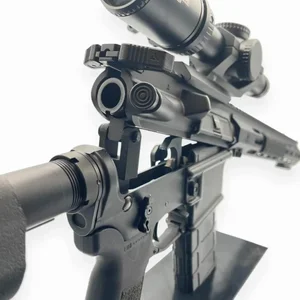
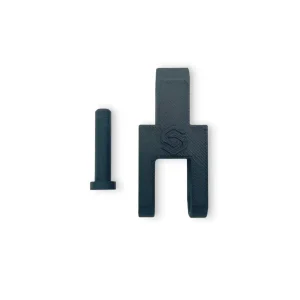
Cleaning your firearm is absolutely essential if you want it to serve you long and reliably. Neglect in this area can lead to problems with accuracy, jamming, and even damage that will prevent further use. Regular and thorough cleaning is simply the duty of every responsible shooter.
Why is cleaning your firearm so important?
A firearm, whether it's a pistol, carbine, or shotgun, is exposed to various factors during shooting that negatively affect its technical condition and performance. The most important of these include:
- Powder residue: This is created during the combustion of gunpowder in the barrel and other parts of the firearm. It contains harmful chemical compounds that can cause corrosion.
- Accumulation of lead and copper: These come from bullets and can deposit in the barrel, reducing its diameter and affecting accuracy.
- Environmental contaminants: Dust, sand, moisture – all of these can get into the mechanisms of the firearm and disrupt their operation.
- Residue of greases and oils: Old, dried grease can become a sticky substance that hinders the movement of parts.
Regular cleaning removes these contaminants and prevents more serious problems. It's a bit like regular car maintenance – better to prevent than to cure.
What happens if you neglect cleaning your firearm?
The consequences of neglecting cleaning can vary, depending on the degree of contamination and the type of firearm. Here are some potential problems:
- Decrease in accuracy: A contaminated barrel affects the trajectory of the bullet.
- Firearm jamming: Dirty mechanisms can make reloading and firing difficult.
- Corrosion: Powder residue and moisture accelerate the rusting of metal parts.
- Mechanical damage: Excessive accumulation of contaminants can lead to cracks, scratches, and other damage.
- Decrease in firearm value: A neglected firearm loses its market value.
Remember that a firearm is not just a tool, but also an investment. Taking care of it means taking care of your safety and the value of your property.
Cleaning frequency – how often should you do it?
There is no one-size-fits-all answer to this question. The frequency of cleaning depends on several factors:
- Intensity of use: The more often you shoot, the more often you should clean your firearm.
- Type of ammunition: Some types of ammunition leave more residue than others.
- Weather conditions: Shooting in the rain or in heavy dust requires more frequent cleaning.
- Type of firearm: Some designs are more sensitive to dirt than others.
The general rule is that the firearm should be cleaned after each shooting session. If you shoot infrequently, at least once every few months. Also remember to clean the firearm after long-term storage, even if it has not been used.
Essential accessories for cleaning firearms
You need a few basic accessories to properly clean your firearm. Here is a list worth having:
- Cleaning rods: Used to wipe the barrel. Choose cleaning rods appropriate for the caliber of your firearm.
- Brushes: To remove carbon buildup and residue from the barrel and other parts. Most often made of bronze, nylon, or stainless steel.
- Cloths or wipes: For wiping and polishing surfaces.
- Gun oil: For lubrication and maintenance.
- Gun solvent: To remove stubborn dirt and residue.
- Brushes for cleaning hard-to-reach places: Useful for cleaning the bolt, trigger mechanism, and other nooks and crannies.
- Cleaning mat: Protects the work surface from dirt and scratches.
You can buy a ready-made cleaning kit that contains all the necessary items, or assemble them yourself.
Step by step: How to properly clean a firearm?
The firearm cleaning process may vary slightly depending on the model, but the general principles are similar. Here are step-by-step instructions:
- Make sure the firearm is unloaded! This is an absolute safety requirement. Check the chamber and magazine.
- Disassemble the firearm into parts. Partial disassembly is usually sufficient, but in some cases, complete disassembly may be necessary.
- Clean the barrel. Use a cleaning rod and brush to remove carbon buildup and residue. Wipe the barrel from the chamber towards the muzzle.
- Clean the bolt and other mechanisms. Use brushes and solvent to remove dirt and residue.
- Wipe all parts with a cloth. Remove any remaining solvent and dirt.
- Lubricate the firearm. Apply a thin layer of oil to all moving parts.
- Assemble the firearm. Make sure all parts are properly installed.
- Check the operation of the mechanisms. Reload the firearm and check that everything works smoothly.
Remember that cleaning a firearm is not just mechanically removing dirt. It is also an opportunity to carefully inspect the firearm and check for any damage or irregularities. If you notice anything disturbing, consult a gunsmith.
Additional tips and tricks
- Use appropriate cleaning agents. Not all solvents and oils are suitable for all types of firearms. Check the manufacturer's recommendations.
- Don't overdo it with the oil. Too much oil can attract dirt and hinder the operation of the mechanisms.
- Replace brushes regularly. Worn brushes are less effective and can scratch the barrel.
- Remember to clean the magazines. This is an often overlooked element, and dirty magazines can cause problems with feeding ammunition. You can use, for example, a dust cover for the AR-15 magazine well, which prevents dirt from entering.
- Wear ear protection and safety glasses. Some cleaning agents can be irritating to the eyes and respiratory tract.
Frequently Asked Questions
How often should I clean my firearm?
It is recommended to clean your firearm after each use to remove accumulated powder residue and other contaminants. If the firearm has not been used but is being stored, it is worth cleaning it every few months to prevent corrosion.
What accessories are essential for cleaning a firearm?
A basic firearm cleaning kit should include: a cleaning rod, barrel brushes (bronze and nylon), cloths or wipes, gun oil, and a solvent to remove carbon buildup. In addition, a cleaning mat that protects the work surface can be useful.
Can I use household products to clean my firearm?
It is not recommended to use household cleaning products, as they may contain substances harmful to the metal and other materials used in the firearm. It is best to use specialized cleaning agents designed for cleaning firearms.
How do I properly lubricate the firearm after cleaning?
After cleaning the firearm, apply a thin layer of oil to all moving parts to ensure their proper operation and protection against corrosion. Avoid over-lubrication, as it can attract dirt and hinder the operation of the mechanisms.
Is cleaning a firearm difficult and time-consuming?
Cleaning a firearm is not difficult, but it requires accuracy and patience. With the right accessories and a little practice, the whole process should not take more than 30-60 minutes.
Can I damage the firearm during cleaning?
Yes, improper cleaning of the firearm can lead to damage, such as scratching the barrel or damaging the mechanisms. Therefore, it is important to follow the manufacturer's recommendations and use appropriate accessories.
Where can I find instructions for cleaning a specific firearm model?
The best source of information on cleaning a specific firearm model is the user manual provided by the manufacturer. You can also look for tutorials and instructional videos on the Internet.
Does regular cleaning of the firearm affect its accuracy?
Yes, regular cleaning of the firearm has a positive impact on its accuracy. Removing carbon buildup and residue from the barrel allows for a more precise bullet trajectory.