Shotgun – what exactly is it? Simply put, it's a long firearm, most often used to fire shot. However, you can also find shotguns for slugs, and even – less frequently – for single projectiles. Shotguns have accompanied humanity for centuries, evolving from primitive designs to modern, highly specialized models. Today, they are used in hunting, sports, law enforcement, and also for self-defense.
How does a shotgun differ from a rifle? Primarily by its smooth bore (although there are also shotguns with rifled barrels, intended for firing special ammunition) and ammunition – shot cartridges dominate in shotguns, while bullets dominate in rifles. A shotgun is a powerful tool, but also a great responsibility. So it's worth knowing as much as possible about it.
A brief history of the shotgun – from matchlock to modernity
The history of the shotgun is long and rich, dating back to the beginnings of firearms. From primitive matchlock designs, through flintlock, to percussion cap – the shotgun has come a long way. Initially used mainly for hunting, it gradually began to find use on the battlefield.
The breakthrough came in the 19th century with the introduction of self-contained cartridges. This paved the way for rapid-firing shotguns, such as the famous Winchester. Today, we have semi-automatic, pump-action shotguns, and others, offering different rates of fire and reliability.
Shotgun construction – what is worth knowing?
A shotgun, although simple at first glance, consists of many elements. The most important include:
- Barrel: Usually smoothbore, although rifled ones are also found. Its length determines accuracy and range.
- Bolt: Responsible for loading the cartridge into the chamber and sealing it during the shot.
- Trigger mechanism: Allows firing a shot.
- Stock: Used to rest the weapon against the shoulder, increasing stability.
- Forend (handguard): Allows a firm grip on the weapon.
It is worth paying attention to the reloading system. In shotguns, we most often find:
- Pump-action shotguns: Reloading is done by moving the forend forward and backward. A simple, reliable and popular solution.
- Semi-automatic shotguns: Use the energy of propellant gases or recoil to automatically reload. Offer a high rate of fire.
- Break-action shotguns: A classic design in which the barrel is tilted down to load the cartridge. Often found in hunting shotguns.
Shotgun in sport shooting – trap, skeet and other competitions
A shotgun is not only a hunting weapon, but also popular equipment in sport shooting. Competitions such as trap and skeet are particularly popular. What do they consist of?
- Trap: Shooting at clay targets that are launched from a single station in different directions.
- Skeet: Shooting at clay targets launched from two stations on opposite sides of the shooting range.
In addition, shotguns are used in dynamic competitions such as IPSC IPSC (International Practical Shooting Confederation) shotgun. Here, speed, accuracy and the ability to handle the weapon efficiently are important.
Which shotgun gauge to choose? 12 GA, 20 GA, or maybe .410?
The gauge of a shotgun is a topic that raises many questions. The most popular is definitely 12 GA (12ga). It is universal, offers great stopping power and a wide selection of ammunition. But there are also other options:
- 20 GA: Lighter than 12 GA, easier to handle, ideal for beginners and people with less physical strength.
- .410: The smallest popular gauge. It is characterized by low recoil, but also less stopping power. Often chosen for youth and recreational shooting.
The choice of gauge depends on the purpose of the shotgun and the shooter's preferences. For hunting larger game, 12 GA will work better, for sports – 12 GA or 20 GA, and for recreation – .410 or 20 GA.
Shotgun accessories – what is worth buying?
A shotgun is the foundation, but the right accessories can greatly improve shooting comfort and efficiency. What is worth buying?
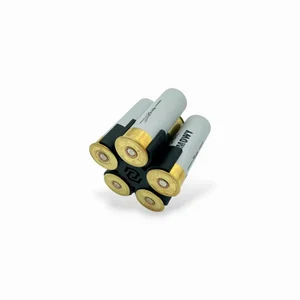
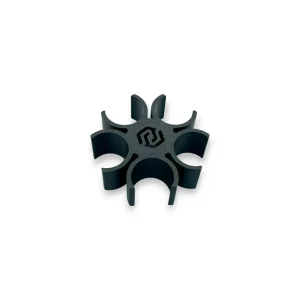
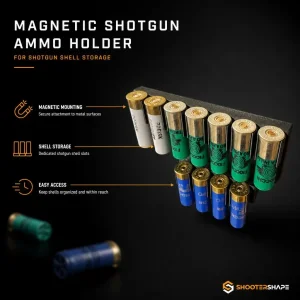
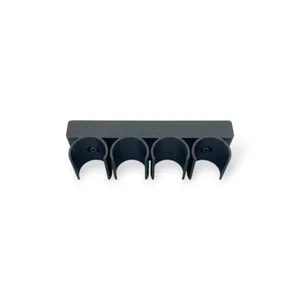
- Shotgun shell holders: Allow quick and convenient carrying of ammunition. Mounted on a belt, tactical vest or directly on the weapon.
- Foregrips: Improve grip and control over the weapon. Especially useful in pump-action shotguns.
- Red dot sights: Make aiming easier, especially in dynamic competitions.
- Slings: Allow comfortable carrying of the shotgun, e.g. during hunting.
Of course, you can't forget about cleaning and maintenance. Regular care of the weapon is the basis of its reliability and longevity. You will need a cleaning kit, maintenance oil and some time.
Shotgun – a weapon for everyone?
A shotgun is a versatile weapon that can be used for various purposes – from hunting, through sports, to self-defense. But is it a weapon for everyone? Certainly not. A shotgun requires responsibility, knowledge and skill. Before buying, it is worth considering your needs and capabilities, as well as familiarizing yourself with the applicable laws.
Let's also remember about safety. Always treat the weapon as loaded, never point it in a direction you don't want to shoot and regularly practice safe handling.
Frequently Asked Questions
Is a shotgun difficult to handle for novice shooters?
A shotgun, especially in 12 GA, can be demanding for beginners due to recoil. It is worth starting with smaller gauges (20 GA, .410) or with a semi-automatic shotgun, which partially absorbs recoil. Proper training and shooting technique are also important.
What are the most important safety rules when handling a shotgun?
The most important rules are: always treat the weapon as loaded, never point it in a direction you don't want to shoot, keep your finger off the trigger until you are ready to shoot, make sure that there are no people or objects behind the target that could be hit, wear hearing protection and ballistic glasses.
How often should I clean my shotgun?
The shotgun should be cleaned after each shooting session, as well as regularly, even if it has not been used. Dirt and fouling can negatively affect its performance and lifespan. Regular cleaning and maintenance are the basis of weapon reliability.
Do I need a firearms license to own a shotgun?
Yes, in Poland, a firearms license is required to possess a shotgun (with a few exceptions, e.g. air shotguns). Detailed information on the licensing procedure can be found in the relevant laws and on the Police website.
What are some popular shotgun brands?
Popular shotgun brands include Remington (e.g. Remington 870 – a classic), Mossberg (e.g. Mossberg 500), Benelli (Benelli M4 – valued for reliability and high quality), Winchester and Beretta.
What is the difference between a smoothbore and rifled shotgun?
A smoothbore shotgun has a barrel without rifling, designed for firing shot, slugs or special ammunition (e.g. slug type). A rifled shotgun has a barrel with rifling, which stabilizes the projectile during flight, increasing accuracy at longer distances. Rifled shotguns are usually used to fire single projectiles.
Is it possible to shoot a shotgun at an indoor shooting range?
Yes, but not at every one. The shooting range must be adapted for shooting firearms, including shotguns. Make sure that the shooting range has appropriate security measures and that the regulations allow shooting with a shotgun.
What are the alternatives to a shotgun for self-defense?
Alternatives to a shotgun for self-defense can be a pistol, revolver or pepper spray. The choice depends on preferences, skills and laws. It is important to choose a weapon that you can use safely and effectively.