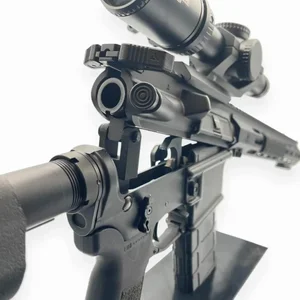
A gun cleaning kit is, simply put, a collection of tools and chemicals that help keep firearms clean and in good working order. Regular gun cleaning is crucial for its reliability, safety, and longevity. A cleaning kit is an absolute must-have for every shooter, whether they are just starting their shooting adventure or are an experienced competitor.
Why is a gun cleaning kit essential?
Firearms, like any mechanism, require regular maintenance. During shooting, fouling, powder residue, lead, and other contaminants accumulate in the barrel, chamber, and other parts of the weapon. These deposits can lead to:
- Reduced accuracy of the weapon
- Seizures and malfunctions of mechanisms
- Corrosion and damage to the barrel
- Dangerous situations, such as jams or misfires
Regular and thorough cleaning of the weapon, using the appropriate kit, avoids these problems and allows you to enjoy a reliable weapon for many years. Think of it like servicing a car – neglect leads to serious breakdowns and costly repairs.
What is included in a typical gun cleaning kit?
The composition of the cleaning kit may vary depending on the caliber of the weapon and the user's preferences, but a typical kit contains the following elements:
- Cleaning rod: Used to pull cleaning patches or brushes through the barrel. It can be one-piece or multi-piece.
- Brushes: Made of bronze, nylon, or stainless steel. Used to remove fouling and contaminants from the barrel and chamber.
- Cleaning patches: Made of cotton or microfiber. Used to apply solvents and oils, as well as to wipe the barrel dry.
- Fouling solvent: A special chemical agent that dissolves fouling and other deposits.
- Gun oil: Protects metal parts from corrosion and ensures smooth operation of mechanisms.
- Cleaning brush: A small brush for cleaning hard-to-reach places, such as the bolt or trigger mechanism.
- Jag: A tool for precise cleaning of smaller parts.
How to choose the right cleaning kit?
When choosing a cleaning kit, pay attention to the following aspects:
- Weapon caliber: The kit must be matched to the caliber of your weapon. A different kit will be needed for a 9mm pistol and another for an AR15 carbine.
- Build quality: Choose a kit from a reputable manufacturer, made of durable materials. Cheap kits often contain poor-quality rods and brushes that can damage the barrel.
- Completeness: Make sure the kit contains all the necessary elements, such as brushes, patches, solvent, and oil.
- Portability: If you often shoot at the range, it's worth choosing a kit in a handy case that you can easily take with you.
Step by step: How to clean a gun?
Remember that before starting to clean the weapon, make sure it is unloaded and secured! The weapon cleaning process can be divided into the following stages:
- Disassembly of the weapon: Disassemble the weapon into basic parts according to the manufacturer's instructions.
- Barrel cleaning: Soak the brush with solvent and pull it through the barrel several times. Then use patches to remove the remaining solvent and fouling. Repeat until the patches are clean.
- Chamber cleaning: Use a brush and solvent to clean the chamber.
- Bolt and other parts cleaning: Clean the bolt, slide, and other weapon parts with a brush and solvent.
- Lubrication: Apply a thin layer of oil to all moving parts of the weapon.
- Assembly of the weapon: Assemble the weapon according to the instructions.
How often should I clean my gun?
The frequency of cleaning the weapon depends on the intensity of its use. It is recommended to clean the weapon after each shooting, as well as regularly, even if the weapon has not been used. It is especially important to clean the weapon after shooting reloaded ammunition or ammunition with lead bullets, as they leave more deposits in the barrel.
Cleaning kit and safety
Remember that cleaning the weapon is not only a matter of its efficiency but also safety. Regular cleaning allows you to detect potential damage or cracks that could lead to dangerous situations during shooting. Take care of your equipment, and it will take care of you!
Cleaning kit storage
The cleaning kit should be stored in a dry and safe place, away from children and unauthorized persons. It is best to store it in a closed container or cabinet. Make sure that the solvents and oils are tightly closed to avoid leaks and evaporation.
Frequently Asked Questions
Can I use a universal cleaning kit for different calibers of weapons?
Theoretically yes, but it is not recommended. You will get the best results by using a kit dedicated to a specific caliber of weapon. Universal kits often contain brushes and rods that are not perfectly matched to all calibers, which can make cleaning more difficult and increase the risk of damaging the barrel.
Do I have to use special solvents for cleaning weapons, or can I use, for example, white spirit?
We strongly recommend using special solvents for cleaning weapons. They are designed to effectively dissolve fouling and other deposits, while being safe for metal and wooden parts of the weapon. White spirit or other similar solvents may damage the weapon's finish or cause corrosion.
Can I clean my weapon at home, or do I have to do it at the shooting range?
You can clean your weapon at home, provided you have the appropriate conditions and take all precautions. Make sure you have a well-ventilated room and protect the surface you will be working on. Remember to properly secure the weapon against access by unauthorized persons.
How to dispose of used patches and brushes after cleaning the weapon?
Used patches and brushes that have been soaked in solvent or oil should be treated as hazardous waste. It is best to place them in a sealed container and hand them over to a hazardous waste collection point. Do not throw them into the ordinary trash can!
What should I do if I notice any damage or cracks while cleaning the weapon?
If you notice any damage or cracks while cleaning the weapon, contact a gunsmith immediately. Do not attempt to repair the weapon yourself, as it may be dangerous and lead to serious malfunctions.
Can I use steel-bristled brushes to clean the barrel?
Steel-bristled brushes are very aggressive and can scratch the barrel. We strongly recommend using bronze or nylon brushes, which are safer for the barrel while effectively removing fouling and other deposits.
Can I use WD-40 type products for weapon maintenance?
WD-40 is not intended for weapon maintenance. It has cleaning and lubricating properties, but it does not protect against corrosion as effectively as special weapon maintenance oils. Using WD-40 may harm the weapon in the long run.