The word "safety" in the context of shooting is more than just a term – it's a philosophy, a set of rules and habits that have one goal: to ensure that shooting, training, and everything related to weapons takes place without putting anyone in danger. In short, "safety" is the foundation of responsible shooting.
What exactly is "safety" in shooting?
"Safety" is an English word meaning security. In shooting, it refers to all precautions and procedures that aim to minimize the risk of accidents when handling firearms. These are the rules that teach you how to safely carry, store, transport, and use weapons, as well as how to act in emergency situations. It is also an awareness of potential hazards and the ability to avoid them.
"Safety" is not just theoretical knowledge, but above all practical skills and habits. It's about constantly making sure that the weapon is always treated as loaded, regardless of whether there is actually ammunition in it. It's about pointing the barrel in a safe direction, keeping your finger off the trigger until you are ready to shoot, and making sure you know what is behind the target.
Basic "safety" rules in shooting
There are several key principles that form the foundation of "safety" in shooting. These principles are universal and apply regardless of the type of weapon, shooting competition, or location.
- Always treat the weapon as loaded: This is the most important rule. Never assume that the weapon is empty. Whenever you pick it up, check to see if there is a round in the chamber.
- Never point the barrel in a direction you don't want to shoot: Always be aware of where the barrel of your weapon is pointing. Avoid pointing it at people, animals, or valuable objects.
- Keep your finger off the trigger until you are ready to shoot: Your finger should only be on the trigger when you are sure of the target and intend to shoot. In any other case, keep it away from the trigger, preferably along the frame of the weapon.
- Make sure what's behind the target: Before you shoot, make sure you know what's behind your target. A bullet can pierce the target and injure someone or something behind it.
- Use the correct ammunition: Only use ammunition intended for your weapon. Using the wrong ammunition can damage the weapon or even cause an accident.
- Protect your eyes and ears: Always wear safety glasses and hearing protection when shooting. The sound of gunfire and shrapnel can damage your eyes and ears.
"Safety" and shooting accessories
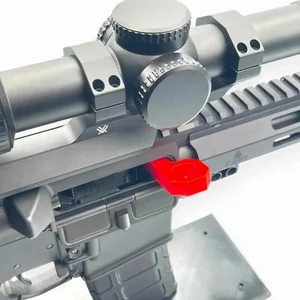
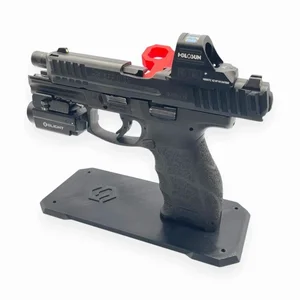
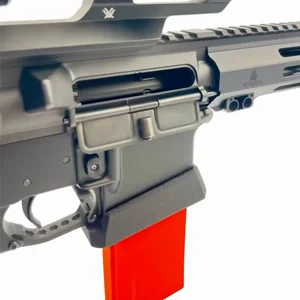
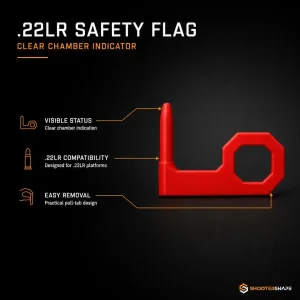
"Safety" also includes the appropriate selection and use of shooting accessories. Some accessories, such as hearing protectors or ballistic glasses, are used directly to protect the shooter. Others, such as safety flags, help to visually confirm that the weapon is unloaded. A gun safe is the basis for safe storage. Appropriate magazine pouches facilitate quick and safe reloading.
Examples of accessories related to "safety":
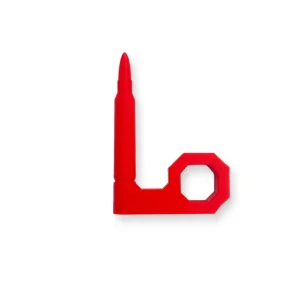
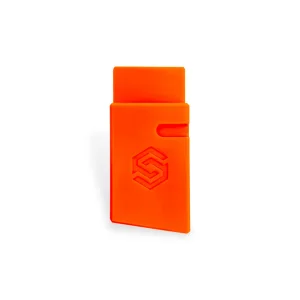
- Safety flag: Inserted into the chamber, visually confirms that the weapon is unloaded.
- Hearing protectors: Reduce the noise of gunfire, protecting hearing.
- Ballistic glasses: Protect the eyes from debris and splinters.
- Gun safe: Secures the weapon against access by unauthorized persons.
- Cable locks: Prevent unauthorized use of the weapon.
- Snap Caps (training cartridges): Enable safe dry-fire without the risk of damaging the weapon.
Why is "safety" so important?
Adhering to the rules of "safety" is crucial for the safety of the shooter, people around him, and for maintaining a positive image of shooting. Accidents with firearms are most often caused by failure to follow basic safety rules. The consequences of such accidents can be tragic – from bodily injury to death.
Remember: a weapon is not a toy. Treat it with respect and responsibility, and shooting will be a safe and fulfilling hobby.
"Safety" outside the shooting range: storing and transporting weapons
The rules of "safety" apply not only at the shooting range, but also during the storage and transport of weapons. Weapons should be stored in a safe place, inaccessible to unauthorized persons, especially children. The best solution is a gun safe, which meets legal requirements and provides adequate security. During transport, the weapon should be unloaded and placed in a case or cover. Ammunition should be transported separately.
Remember that the rules of "safety" are not only an obligation, but above all an expression of responsibility for yourself and others. By following them, you take care of your safety and the safety of your surroundings.
Frequently Asked Questions
Why must I always treat a weapon as loaded, even if I know it is empty?
This is a fundamental rule of "safety". Even if you "know" the weapon is empty, always check it yourself. You will avoid the risk of accidental discharge if there is a round in the chamber after all.
How do I properly check if a weapon is unloaded?
Remove the magazine, pull back the slide and make sure there is no round in the chamber. Then inspect the chamber and make sure it is empty. Finally, point the weapon in a safe direction and release the slide.
What is a "safe direction" and how do I choose it?
A "safe direction" is one in which a possible shot will not cause injury or damage. At the shooting range, this is usually towards the target. Outside the shooting range, choose a place where there is no one and where the projectile will not cause damage.
Can I practice "dry fire" at home if I don't have a gun permit yet?
Yes, but with extreme caution and in accordance with the rules of "safety". Make sure the weapon is unloaded, point it in a safe direction, and use snap caps. Remember to create a safe environment – preferably in a room without windows, with a thick wall behind the target.
How do I safely transport a weapon to the shooting range?
The weapon must be unloaded and placed in a case or cover. Transport ammunition separately. If possible, use a cable lock. Remember to have the appropriate documents (gun permit, club ID).
Are safety flags really necessary, since I check the weapon anyway?
Yes! The safety flag is an additional security measure and visual confirmation for others that the weapon is unloaded. This is especially important at shooting ranges and during competitions.
Where should I store ammunition at home?
Store ammunition in a dry and cool place, separate from the weapon. Preferably in a closed container or cabinet, inaccessible to children and unauthorized persons.
Do I have to wear ballistic glasses and headphones even if I'm shooting with a small caliber (.22 LR)?
Always. Even small caliber weapons can generate shrapnel and noise that can damage your eyes and ears. It's not worth the risk.