Purchasing your first pistol is an important step for anyone starting their shooting adventure. Choosing the right model can determine whether you'll enjoy the sport and develop in it. There are many different pistols available on the market, differing in caliber, construction, size, and price. So how do you choose the right one, especially if you're just starting out?
In this article, we'll discuss the most important factors to consider when choosing your first pistol. We'll focus on caliber, ergonomics, trigger mechanisms, and the importance of training, both at the range and at home (dryfire). We'll try to give you a solid foundation so you can make an informed decision and choose a pistol that will serve you for many years.
Caliber – Where to Start?
Caliber is one of the most important parameters to consider when choosing a pistol. For beginner shooters, the following calibers are most often recommended:
- .22 LR: Small, inexpensive, and easy to master. Ideal for learning basic shooting skills. The downside is the limited availability of competitions and events where you can use this caliber.
- 9mm: The most popular pistol caliber in the world. Offers a good compromise between stopping power, ammunition availability, and shooting comfort. Most modern pistols are available in this caliber.
Calibers such as .40 S&W or .45 ACP, although popular, are usually discouraged for beginners due to the greater recoil, which can make accurate shooting and rapid follow-up shots difficult. The choice of caliber is an individual matter, but it's worth starting with something that allows you to focus on technique, not fighting recoil. It's a good idea to try different calibers at the range before making a final decision.
Ergonomics – The Pistol Must Fit in Your Hand
The ergonomics of the pistol is another crucial aspect. The pistol should fit comfortably in your hand, allowing for a firm grip and easy operation of all components, such as the magazine release or slide release lever. Pay attention to:
- Hand size: People with small hands should look for pistols with a thinner grip and a shorter trigger reach.
- Grip angle: Different pistols have different grip angles. Some are more natural than others, depending on your anatomy.
- Grip texture: An aggressive grip texture provides better control but may be uncomfortable for extended shooting sessions.
It's best to hold the pistol before purchasing it. If you don't have that option, look for reviews and opinions from other users, paying particular attention to ergonomics. Remember that a pistol that fits perfectly in your friend's hand may not be suitable for you.
Trigger Mechanism – Precision and Consistency
The trigger mechanism has a huge impact on shooting accuracy. It should be smooth, predictable, and repeatable. Pay attention to:
- Trigger pull: Too much trigger pull can make accurate shooting difficult. For beginner shooters, triggers with moderate pull are recommended.
- Trigger reset: A short and clear trigger reset allows for faster follow-up shots.
- Trigger characteristics: The trigger can be single-action (only one pull before firing) or double-action (two clearly felt pulls). The choice depends on your preference.
As with ergonomics, it's best to test the trigger mechanism before purchasing. If you don't have that option, look for reviews that discuss the trigger characteristics of the pistol. It's also worth remembering that the trigger mechanism can often be tuned by replacing springs or other components.
Training, Training, Training! – Key to Success
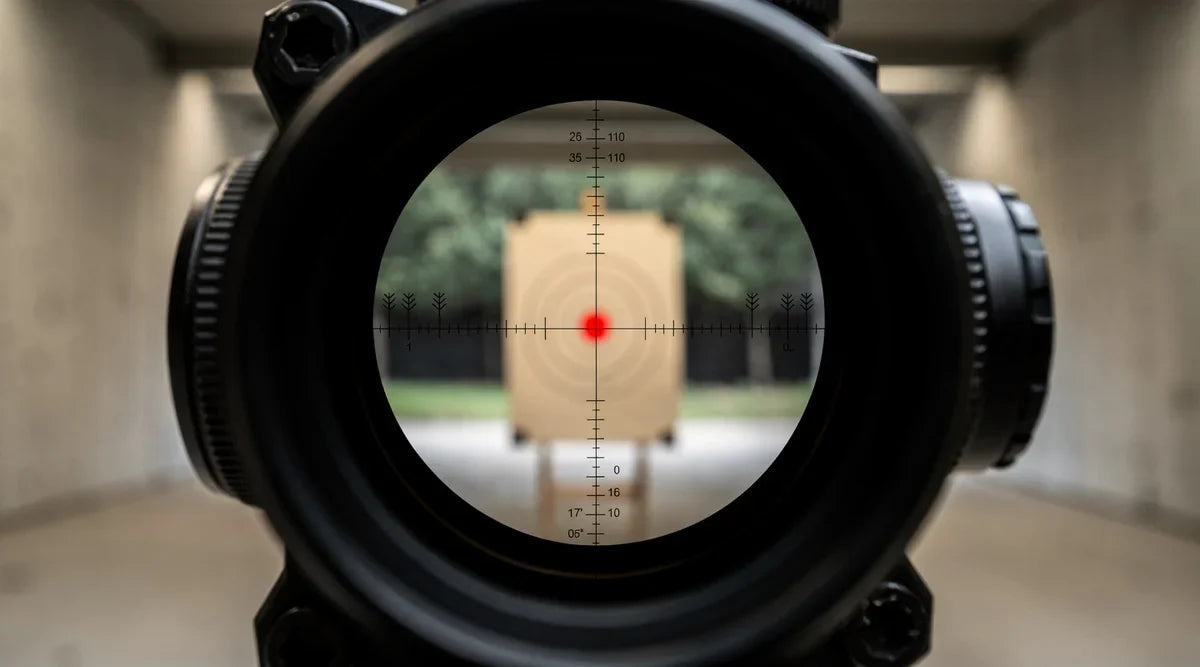
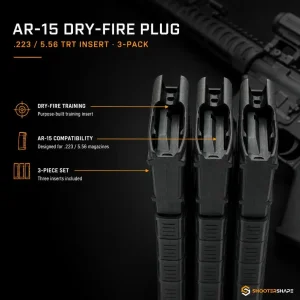
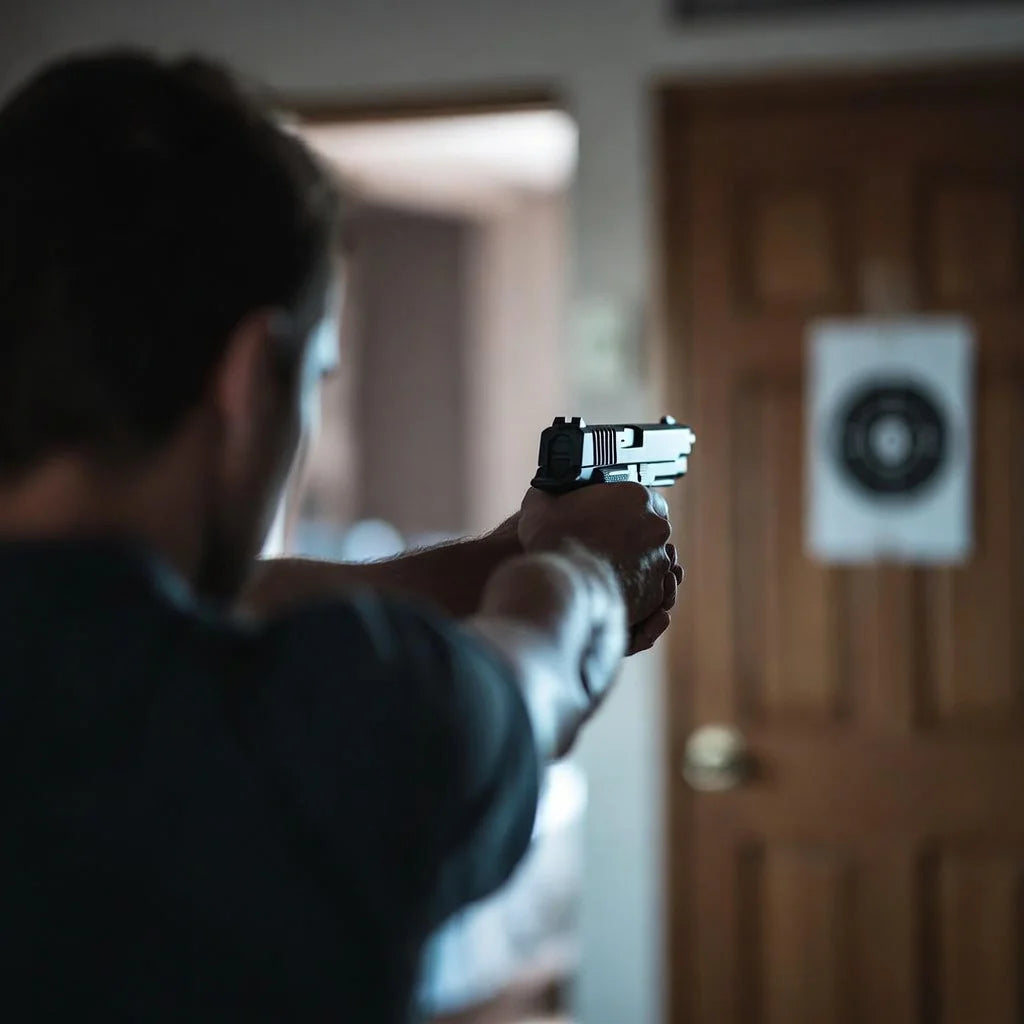
Even the best pistol won't guarantee your success if you don't train regularly. Training at the range is essential, but training at home, i.e., dryfire, is just as important. Dryfire involves practicing operating the pistol without ammunition, focusing on grip, sight alignment, trigger pull, and maintaining accuracy. Regular dryfire training allows you to develop good habits and improve shooting technique without incurring the cost of ammunition. Just remember the safety rules – always make sure the pistol is unloaded and pointed in a safe direction.
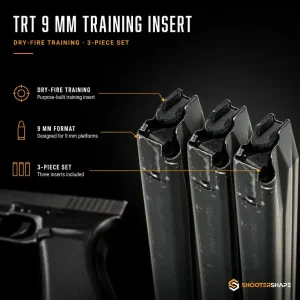
For dryfire, training rounds (snap caps) that protect the firing pin from damage will be useful. You can also invest in special barrel inserts that simulate the sound of a shot. Consistency is important. Even 15-20 minutes a day will bring better results than sporadic, long training sessions.
Popular Pistol Models for Beginners
There are many pistol models on the market that are particularly recommended for beginner shooters. Here are a few examples:
- Glock 17/19: Very popular, reliable, and easy to use. Available in 9mm caliber.
- CZ P-10 C: Czech pistol with a very good price-to-quality ratio. Available in 9mm caliber.
- S&W M&P Shield: Compact pistol ideal for concealed carry. Available in 9mm and .40 S&W caliber.
- Ruger 10/22: Classic .22 LR carbine, perfect for learning to shoot and having fun at the range.
Remember that these are just examples. Before making a decision, it's worth visiting a shooting range, renting a few different models, and seeing which one suits you best. Don't be afraid to ask experienced shooters or instructors for advice – their knowledge can be invaluable.
Summary – Choose Wisely and Train Regularly
Choosing your first pistol is an important decision, but it doesn't have to be stressful. Remember to consider caliber, ergonomics, trigger mechanism, and above all – regular training. Choose a pistol that will give you pleasure and motivate you to develop further. And above all, always follow safety rules and treat firearms with respect. Good luck!Frequently Asked Questions
What pistol caliber is best to start with?
For beginner shooters, the .22 LR (inexpensive and easy to master) and 9mm (popular and versatile) calibers are most often recommended.
Does a pistol have to fit perfectly in your hand?
Yes, the ergonomics of the pistol are very important. The pistol should fit comfortably in your hand, allowing for a firm grip and easy operation of all components.
What is dryfire training?
Dryfire is training to operate the pistol without ammunition, focusing on grip, sight alignment, trigger pull, and maintaining accuracy. It is an effective way to improve shooting technique without incurring the cost of ammunition.
How often should I practice dryfire?
Regularity is key. Even 15-20 minutes a day will bring better results than sporadic, long training sessions.
What accessories are useful for dryfire?
For dryfire, training rounds (snap caps) that protect the firing pin from damage will be useful. You can also invest in special barrel inserts that simulate the sound of a shot.
Can I tune the trigger mechanism in a pistol?
Yes, the trigger mechanism can often be tuned by replacing springs or other components. However, it is worth consulting with an experienced gunsmith.
Is a .22 LR pistol sufficient for self-defense?
The .22 LR caliber is generally discouraged for self-defense due to its low stopping power. A better choice is a 9mm or .40 S&W caliber.
Where can I buy my first pistol?
You can buy your first pistol at a gun store, after presenting the appropriate documents (gun permit, certificate of membership in a shooting club, etc.).