Choosing the right pistol holster is an often underestimated but extremely important piece of equipment for every shooter – both sporting and those who carry a weapon for personal protection. A holster is not only a way to carry a weapon, but also a key element influencing safety, comfort and speed of drawing the pistol. A poorly chosen holster can hinder access to the weapon, cause discomfort, and even pose a threat.
There are many types of holsters available on the market, made of various materials and designed for various purposes – from concealed holsters, worn inside the pants (IWB), to tactical holsters mounted on the thigh; from holsters made of leather to those made of modern kydex. In this article, we will guide you through the maze of options to help you find the perfect holster for your pistol and your needs.
Types of holsters – which one to choose?
The basic division of holsters is based on how they are worn and their purpose. Learn about the most popular types:
- IWB (Inside the Waistband) Holsters: Worn inside the pants, providing maximum concealment of the weapon. Ideal for concealed carry. They require a good belt to support the weight of the pistol.
- OWB (Outside the Waistband) Holsters: Worn outside the pants, often on the belt. They provide faster access to the weapon than IWB holsters, but are less discreet. Popular in sport shooting and law enforcement.
- Appendix (AIWB – Appendix Inside the Waistband) Holsters: A specific type of IWB holster, worn in the front, at the 1-2 o'clock position (for right-handed people). Allows for very quick drawing of the weapon, but requires proper training and getting used to it.
- Thigh Holsters: Mounted on the thigh with special straps. They provide easy access to the weapon, even when wearing a tactical vest or other equipment. Popular in the military and special forces.
- Shoulder Holsters: Worn under the armpit, attached to shoulder straps. They allow for discreet carrying of the weapon, but access to it is slower. Often chosen by people wearing jackets or coats.
IWB Holsters – discretion first and foremost
IWB holsters (Inside the Waistband) are the perfect solution for people who value discretion and want to hide their weapon from the sight of others. They are worn inside the pants, which makes them practically invisible. However, wearing an IWB holster requires the appropriate selection of a belt – it must be stiff enough to support the weight of the pistol and prevent the pants from slipping. It is also worth paying attention to the material from which the holster is made – leather and kydex are popular choices.
OWB Holsters – speed and convenience
If quick access to the weapon is a priority, an OWB holster (Outside the Waistband) will be a better choice. It is worn outside the pants, which allows for quick drawing of the pistol. OWB holsters are popular among sports shooters, shooting instructors and law enforcement officers. When choosing an OWB holster, it is worth paying attention to the belt attachment system – it should be stable and secure.
Thigh Holsters – for the demanding
Thigh holsters are a specialized solution, intended mainly for people who need to have easy access to weapons, even in difficult conditions. They are often used by soldiers, police officers and other special forces officers. A thigh holster allows you to carry a pistol on your thigh, which provides comfort and freedom of movement. When choosing a thigh holster, you should pay attention to the quality of workmanship and materials – they should be durable and resistant to damage.
Materials – leather, kydex, nylon – what to choose?
The material from which the holster is made has a huge impact on its durability, wearing comfort and safety. Let's take a closer look at the most popular materials:
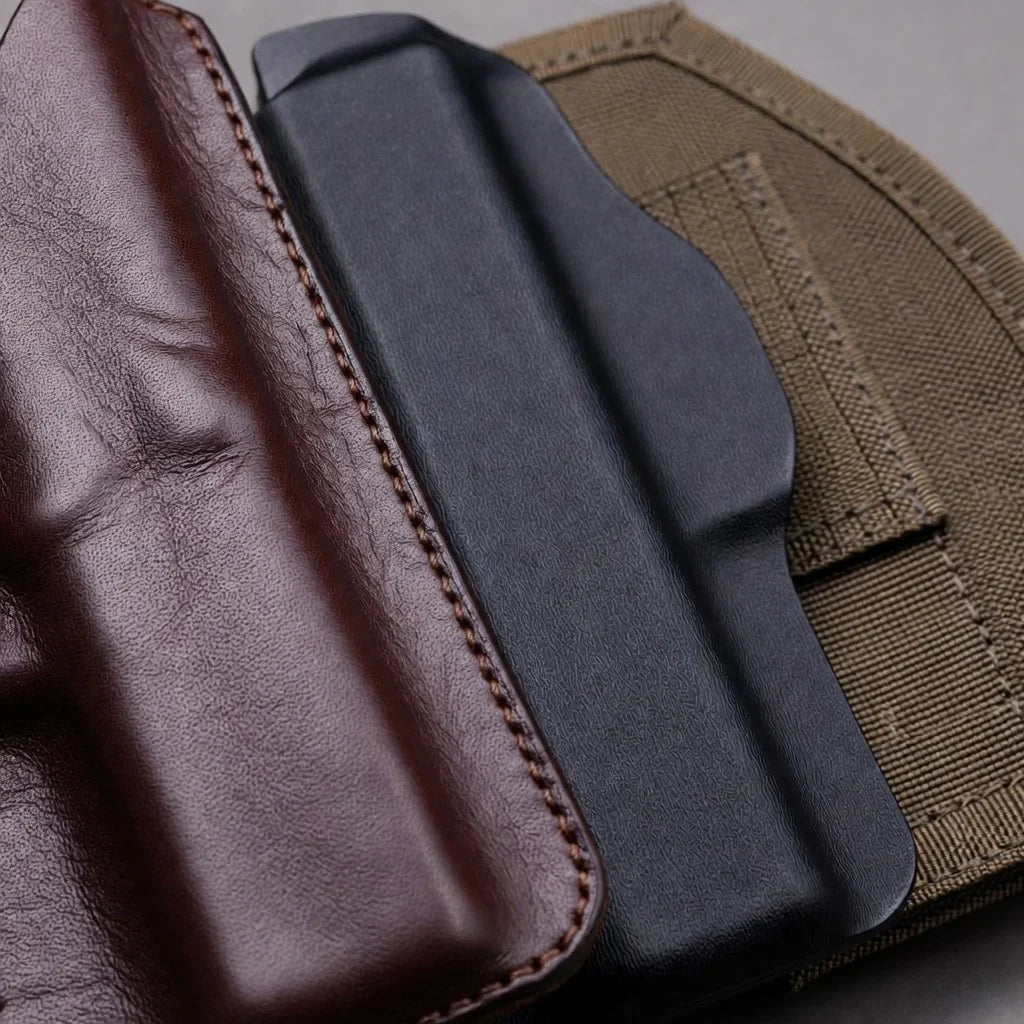
- Leather: A classic material, valued for its elegance and wearing comfort. Leather holsters fit well to the shape of the body and weapon. However, they require regular maintenance and are less resistant to moisture than kydex holsters.
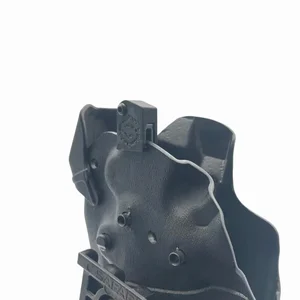
- Kydex: A modern thermoplastic material, characterized by high resistance to mechanical damage, moisture and temperature. Kydex holsters are rigid and precisely matched to a specific weapon model.
- Nylon: A light and durable synthetic material. Nylon holsters are often cheaper than leather and kydex holsters, but may be less durable. Nylon is resistant to moisture and easy to clean.
Which material to choose? It depends on your preferences and needs. If you value elegance and comfort, a leather holster will be a good choice. If you care about maximum durability and resistance to weather conditions, choose a kydex holster. If you are looking for a cheaper solution, a nylon holster may be sufficient.
What else to consider when choosing a holster?
When choosing a holster for a pistol, it is worth considering a few additional factors:- Safety: The holster should ensure safe carrying of the weapon and protect it against accidental firing. Check if the holster has appropriate safety features, such as a trigger lock.
- Fit to the weapon: The holster should be perfectly matched to the specific pistol model. Too loose a holster can cause the weapon to move, and too tight a holster can make it difficult to draw it.
- Wearing comfort: The holster should be comfortable to wear, even for a long time. Avoid holsters made of hard and rigid materials that can cause chafing and discomfort.
- Speed of drawing: The holster should allow for quick and smooth drawing of the weapon. Test different holsters and choose the one that best suits your preferences.
- Adjustability: Some holsters have the ability to adjust the angle of inclination and height of wearing. Thanks to this, you can adjust the holster to your individual needs.
Holster and shooting training
A well-chosen holster is invaluable during shooting training. It enables safe and effective practice of drawing the weapon, changing magazines and other elements of shooting technique. Remember to train regularly with the holster to develop the appropriate habits and confidence in your movements. Also remember about safety – always follow the rules of safe handling of weapons!Frequently Asked Questions
Is a universal holster a good choice?
Universal holsters can be a good solution if you have several pistols of similar dimensions. However, a holster dedicated to a specific weapon model usually provides a better fit and safety.
How to care for a leather holster?
A leather holster should be cleaned and maintained regularly with special leather preparations. This will help maintain its elasticity and prevent cracking.
Does a kydex holster scratch the weapon?
A good quality kydex holster should not scratch the weapon. However, it is worth checking its interior regularly and removing any dirt that may cause scratches.
How to fit a holster to your figure?
When choosing a holster, it is worth paying attention to its size and shape. People with a slim figure should choose holsters of smaller dimensions that will not protrude from the body.
Can I carry a weapon in a holster without a permit?
Carrying a weapon without a permit is illegal. Remember that the holster is only used for the safe carrying of weapons for which you have the appropriate authorization.
How to choose a holster for concealed carry?
IWB or Appendix holsters, made of thin and light materials, are best suited for concealed carry. Proper fitting of the holster to the figure and clothing is also important.
Does a holster affect the accuracy of the shot?
The holster itself does not directly affect the accuracy of the shot. However, a well-chosen holster, enabling quick and smooth drawing of the weapon, can indirectly improve shooting results.